





Optimal Timing for Replacing Paint Booth Filter Pads
Below is a practical reference guide tailored to different types of filtration materials:
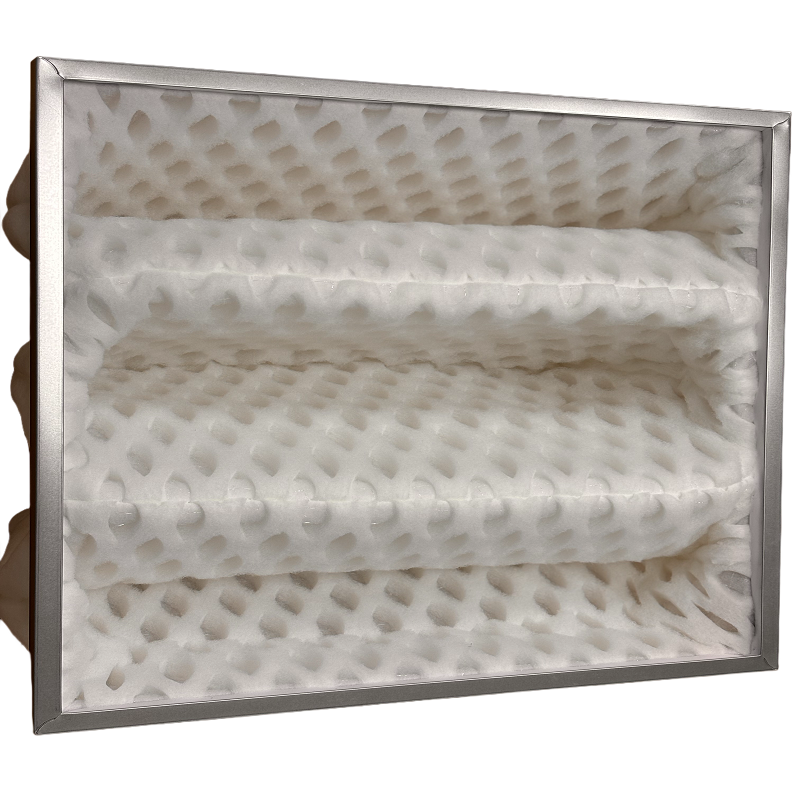
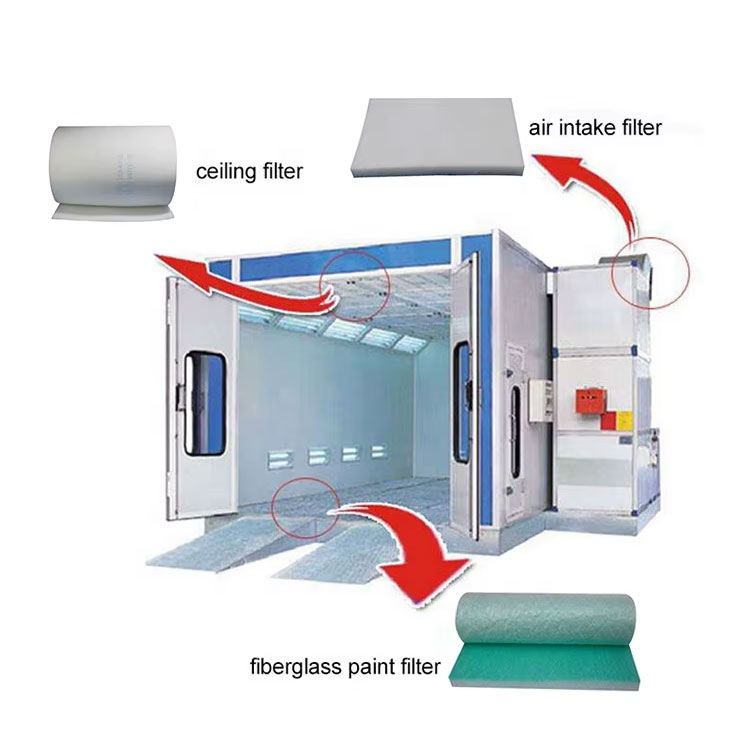
- Primary Air Filters (Ceiling filter Pads)
Suggested Replacement Interval: Every 80–120 operating hours or every 1–2 months.
Purpose: These pre-filters capture larger airborne contaminants such as dust and debris from intake air.
When to Change: Visible dark discoloration, dust release upon tapping, or reduced airflow intensity inside the booth.
- Floor Filter (Base Filter Mats)
Suggested Replacement Interval: Every 3–6 months.
Purpose: Positioned after the primary filters, these trap finer particles and help maintain even air distribution.
When to Change: Often replaced in sync with the ceiling pads. Also change if airflow seems obstructed at ground level.
- Overspray Collector Filters (fiberglass paint stop filter)
Suggested Replacement Interval: After every 5–10 vehicle spray sessions or following a weekly inspection.
- Purpose: Essential for capturing wet paint mist during application and protecting downstream equipment.
- When to Change: Stiff texture, visible paint buildup, saturation, or any sign of reduced trapping efficiency.
Factors That Influence Replacement Needs
How often you change Filter Media can vary based on:
Workload: Frequent spraying demands more frequent changes.
Paint Type: Metallics and certain primers may clog filters faster.
Shop Environment: Dust levels and external pollution play a significant role.
Booth Sealing: A tightly sealed booth helps extend filter life.
Quality Standards: Higher finish requirements necessitate more proactive changes.
How to Gauge When Replacement Is Needed
Rely on the following hands-on methods rather than a calendar:
Visual Clues: Discoloration, heavy accumulation of particles, or gloss from wet paint.
Physical Check: Tap or compress filters—if dust or solid material is released, it’s time.
Airflow Metrics: Note if fans are straining or airflow seems weaker than usual.
Finish Defects: An increase in dust nibs or imperfections in finished jobs often points to overloaded filters.
In Summary
paint stop arrestors: Replace most frequently—never delay when overspray is evident.
Primary and floor filters: Inspect monthly; replace based on condition, typically every few months.
Maintenance Tip: Mark replacement dates on each unit for accurate tracking.
When in doubt, change the filters—especially before high-end jobs. Clean filtration is a small investment compared to the cost of refinishing.
Regular evaluation and adapting to actual conditions will help maintain spray quality and equipment health.