Essential Tips for Choosing Paint Booth Filters?
Choosing the right Paint Booth Filters is crucial for ensuring optimal performance in painting environments. According to a recent report by the National Paint and Coatings Association, proper filtration can improve paint finish quality by up to 30%. These filters play a vital role in capturing particulates and maintaining air quality. As Mike Thompson, a leading expert in air filtration systems, once stated, “The effectiveness of a paint booth is directly linked to the filters used.”
Incorporating high-quality Paint Booth Filters can lead to increased efficiency and reduced operational costs. Poor filtration can result in overspray and compromised paint applications. Research indicates that incorrectly chosen filters can lead to paint defects, costing businesses both time and money. Additionally, filters need regular maintenance, which is often overlooked. This oversight can hinder performance and safety in the workspace.
Businesses must prioritize their choice of Paint Booth Filters to ensure compliance with industry standards. A well-informed decision can lead to enhanced productivity and safety. While there are many options available, selecting the right filters requires careful evaluation. Understanding the specifications and the environment is essential for achieving the best results.
Understanding the Importance of Paint Booth Filters
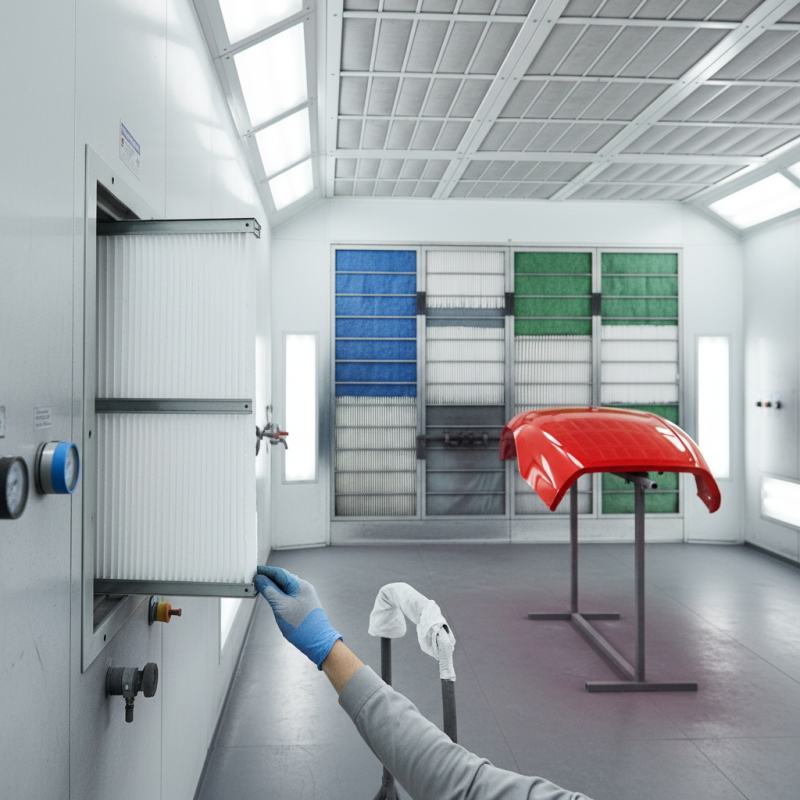
When it comes to paint booths, filters play a crucial role in ensuring a safe and efficient working environment. These filters trap harmful particles, providing clean air for both workers and painted surfaces. Understanding the different types of filters is essential. For instance, HEPA filters can remove tiny particles, making them ideal for industrial settings. But not every facility needs this level of filtration. An assessment of specific needs is necessary.
Many neglect the maintenance of filters. Clogged or dirty filters can reduce airflow and efficiency. Regular inspection and replacement schedules are vital. If filters are ignored, the quality of the paint job can suffer. Airborne contaminants can mar the finish, leading to costly rework. It’s a cycle that can create unnecessary challenges in production.
Selecting the right filter involves understanding your paint booth's environment. Factors such as humidity and temperature also affect filter performance. Investing time in research about filter options is worthwhile. What works well in one situation may not in another. Regular training for staff can also enhance awareness. A well-informed team can make better choices, leading to optimal performance of paint booth filters.
Essential Tips for Choosing Paint Booth Filters
| Filter Type |
Particle Size Captured |
Airflow Resistance |
Replacement Frequency |
Efficiency Rating |
| Polyester Filters |
0.5 - 5 µm |
Low |
Every 1-2 months |
85% |
| Activated Carbon Filters |
1 - 10 µm |
Medium |
Every 3-6 months |
90% |
| HEPA Filters |
0.3 µm and higher |
High |
Every 6-12 months |
99.97% |
| Pre-Filters |
5 - 10 µm |
Low |
Every month |
75% |
| Electrostatic Filters |
0.3 - 10 µm |
Medium |
Every 6 months |
95% |
Identifying Different Types of Paint Booth Filters
When it comes to choosing paint booth filters, understanding the types available is essential. Filters are critical in maintaining air quality and ensuring the safety of both the environment and workers. There are primarily three types of filters: pre-filters, main filters, and exhaust filters.
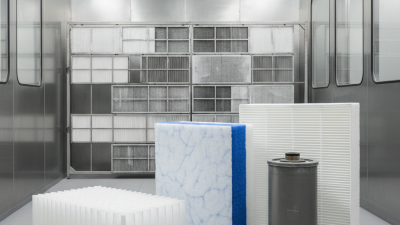
Pre-filters help capture larger particles, protecting the more delicate main filters. They need frequent replacement to maintain efficiency.
Main filters are designed to trap smaller particles, including paint overspray. They often utilize various materials. Some are made from fiberglass, while others use synthetic fibers. It's important to consider the type of paint being used, as certain materials may work better than others. This choice can heavily impact filtration effectiveness. Regular inspections can help identify when filters need replacing. Ignoring this can lead to costly repairs and decreased performance.
Exhaust filters ensure that air released into the environment meets safety standards. A poor choice here could mean harmful substances enter the air. Researching different options is vital. Each type of filter offers distinct advantages, but none are perfect. A filter that works well in one scenario may fail in another. Consider specific environmental conditions when making a decision. Balancing cost and performance is crucial, as the cheapest option may not always be the best.
Factors to Consider When Selecting Paint Booth Filters
Selecting the right paint booth filters requires careful consideration of multiple factors. The first aspect to evaluate is the filter’s efficiency rate. Ideally, filters should have a Minimum Efficiency Reporting Value (MERV) rating of at least 8 to capture airborne particles effectively. Higher ratings can filter smaller particles, improving air quality. According to industry studies, up to 90% of paint booth failures are linked to inadequate filtration, underscoring the importance of choosing high-quality filters.
Airflow is another crucial factor. Filters must allow adequate airflow without compromising filtration efficiency. The right balance ensures optimal performance while reducing strain on the booth's ventilation system. Research indicates that improper airflow can lead to overspray and paint defects. Ideally, the filter system should provide a steady airflow of 100-300 feet per minute based on the booth size.
Moreover, maintenance should not be overlooked. Filters require regular replacement or cleaning to function effectively. Neglected filters can lead to costly repairs and decreased productivity. Data shows that routine filter changes can enhance booth efficiency by up to 30%. Reflecting on these aspects can lead to better decisions, allowing for more efficient paint application processes in various settings.
Essential Tips for Choosing Paint Booth Filters
Evaluating Filter Efficiency and Performance Ratings
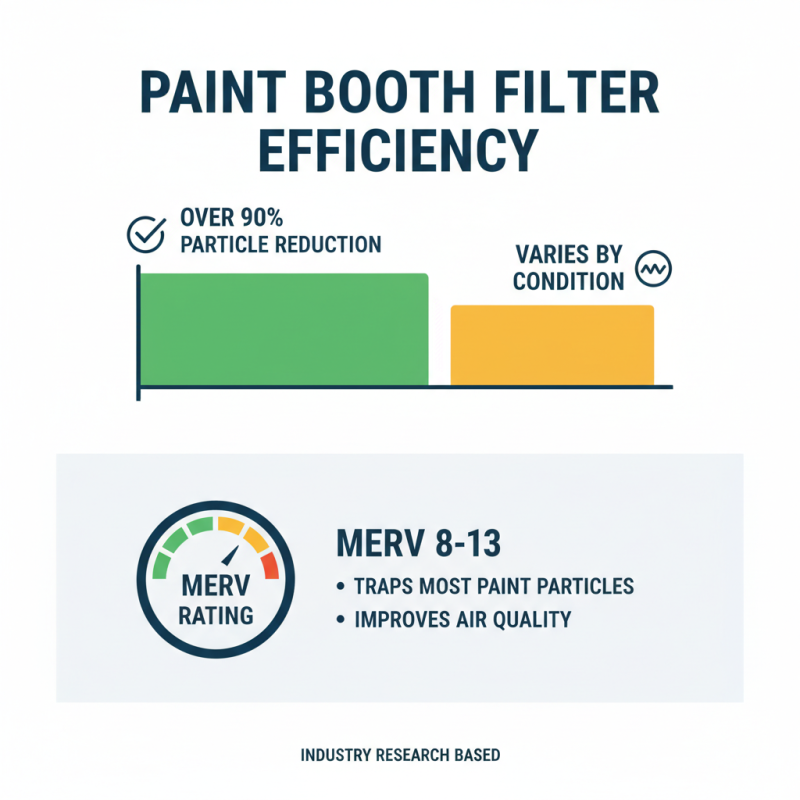
When evaluating filter efficiency for paint booths, understanding performance ratings is crucial. Industry research indicates that filters effectively reduce airborne particles by over 90%. However, not all filters perform equally in varied conditions. It's vital to analyze the MERV rating, which measures filter effectiveness in capturing particles. Filters rated MERV 8 to 13 can trap most paint particles, enhancing air quality significantly.
Consider the specific application of your paint booth. For instance, high-efficiency particulate air (HEPA) filters, rated MERV 17 to 20, are ideal for environments requiring strict contaminant control. They capture particles as small as 0.3 microns. Yet, these high-performance filters may require more frequent replacements, affecting operational costs. Regular monitoring of filter performance is necessary to balance efficiency and budget.
Mistakes can occur in assessing filter needs. Over-reliance on one type of filter may lead to performance issues. Environmental factors, like humidity and temperature, can impact filtration effectiveness. Companies must regularly evaluate the performance of their chosen filters and adjust based on these factors. Engaging with industry standards, such as those from ASHRAE, can provide valuable insights, driving smarter filter choices.
Maintenance Tips for Optimal Paint Booth Filter Lifespan
Maintaining paint booth filters is crucial for efficiency. Regular inspection ensures that filters work effectively. Dirty or clogged filters can lead to poor air quality. This not only impacts the paint job but also worker safety. A schedule for routine checks is essential. Look for visible dust accumulation or discoloration on filters.
Cleaning filters should be part of your maintenance plan. You can use compressed air to dislodge debris. However, this may not be effective for all types of filters. Some require washing or replacing. Always consult the manufacturer’s guidelines. A well-maintained filter extends its lifespan, saving costs in the long run.
Pay attention to your working environment. High humidity or dust can shorten filter life. Monitoring conditions is key. Consider investing in humidity and air quality monitors. This small step can provide greater control over filter performance. Reflect on your process regularly to identify areas for improvement.