What is a Spray Booth Filter and How Does It Work?
In the world of industrial painting, the importance of a Spray Booth Filter cannot be overstated. According to John Henderson, a leading expert in spray booth technology, “A Spray Booth Filter is essential for maintaining air quality and safety in the workplace.” This piece of equipment plays a crucial role in capturing overspray and ensuring that harmful particles do not enter the atmosphere.
Spray booth filters work by trapping paint particles, dust, and other contaminants. This process not only protects the environment but also enhances the quality of the finished product. The efficiency of a Spray Booth Filter directly impacts the operation's health and safety standards. Many businesses overlook the need for regular maintenance and timely replacement. This oversight can lead to increased emissions and a higher risk of workplace hazards.
Investing in a high-quality Spray Booth Filter is vital for any painting operation. However, the market is flooded with options, making selection overwhelming. Reflecting on past experiences, it's evident that not every filter is created equal. Proper research and expert guidance are crucial in making informed decisions.
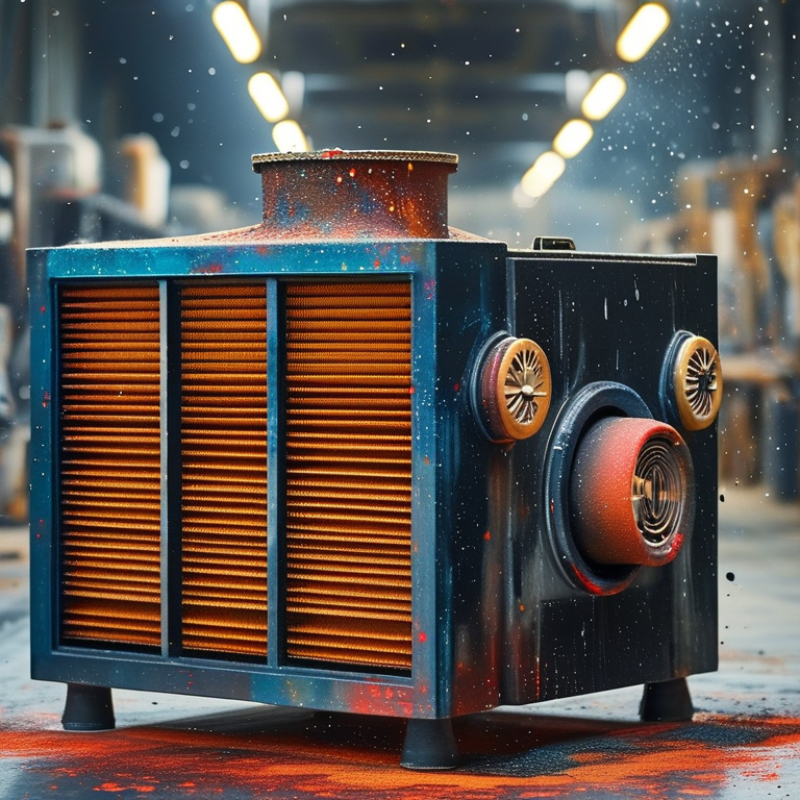
What is a Spray Booth Filter and Its Importance in Automotive Painting
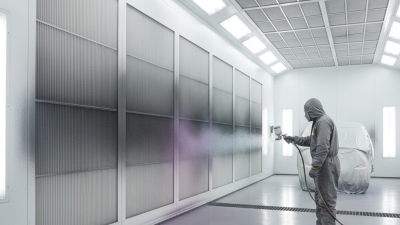
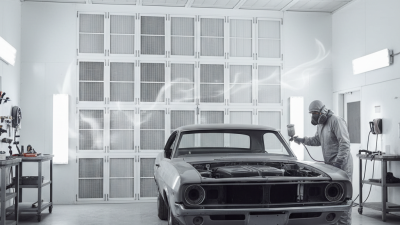
A spray booth filter plays a critical role in automotive painting. It captures overspray and contaminants that may affect the paint finish. By reducing airborne particles, it helps ensure a flawless surface. A clean spray booth is essential for achieving high-quality results. It minimizes imperfections like dust and debris.
Proper filtration promotes a safe working environment. Workers are less exposed to harmful substances. When filters become clogged or dirty, airflow decreases. This can lead to poor paint adhesion and visible defects. Understanding filter maintenance is vital for optimal performance. Regular checks can prevent costly mistakes.
Investing in high-quality filters is important, but they require consistent evaluation. Some may overlook the need for timely replacements. This lapse can compromise both safety and paint quality. Mistakes in filter upkeep reflect on the final product. A balance between cost and efficiency is worth considering in the long run.
Types of Spray Booth Filters Used in Various Industries and Their Functions
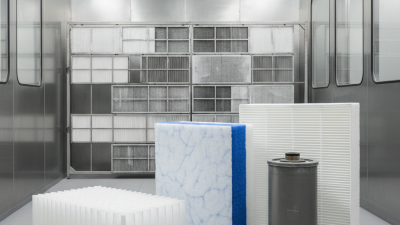
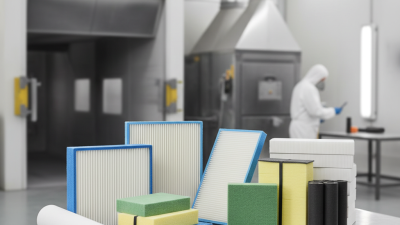
Spray booth filters are vital components in various industries, ensuring a cleaner working environment. They capture overspray and contaminants during painting, coating, and finishing processes. There are several types of spray booth filters, each serving specific functions and industries.
For instance, polyester and fiberglass filters are common in automotive painting. They capture particles efficiently, reducing the risk of defects in finishes. According to a report from the Environmental Protection Agency (EPA), proper filtration can reduce paint waste by up to 30%. In woodworking, high-efficiency particulate air (HEPA) filters are often used. These filters trap fine dust, providing a safer workspace. A study by the National Institute for Occupational Safety and Health (NIOSH) found that using HEPA filters decreased respiratory issues among workers by 25%.
However, challenges remain. Filters must be regularly monitored and replaced. Neglected filters can become a source of contamination. Additionally, some industries still underutilize advanced filtration technologies. This oversight compromises air quality and worker safety. Moving towards more efficient and proactive filtration systems is crucial for long-term improvements. Each industry must assess its specific needs and stay updated on filtration technology to enhance workplace safety and reduce waste.
Types of Spray Booth Filters Used in Various Industries
This bar chart represents the percentage usage of different types of spray booth filters across various industries. Activated carbon and paint arrestor filters are the most commonly used, while water wash filters and electrostatic filters are less prevalent.
How Spray Booth Filters Improve Air Quality and Safety Standards
Spray booth filters serve a critical role in improving air quality within industrial environments. They capture harmful particles and fumes generated during painting and coating processes. Research indicates that effective filtration systems can reduce airborne contaminants by up to 95%. This significant reduction minimizes health risks for workers and enhances overall workplace safety.
These filters work by using various technologies, such as electrostatic precipitation and activated carbon adsorption. While these methods are effective, it’s essential to periodically assess filter efficiency. Regular maintenance and replacement are crucial. Neglecting to do so can lead to increased airborne pollutants, undermining safety standards. Monitoring compliance with industry regulations is also vital. Standards set by organizations like OSHA outline acceptable air quality benchmarks, emphasizing the importance of functional spray booth filters.
Improving air quality isn't only about compliance; it impacts productivity. Clean air can boost worker morale and increase efficiency. However, some facilities overlook the need for routine checks. A proactive approach to filter maintenance can lead to a safer and more productive work environment. Therefore, fostering awareness and understanding of spray booth filters is imperative for every industrial facility.
The Role of Spray Booth Filters in Reducing VOC Emissions and Compliance
Spray booth filters play a crucial role in reducing volatile organic compound (VOC) emissions in industrial environments. According to the Environmental Protection Agency (EPA), VOCs contribute significantly to air pollution and can cause severe health issues. The use of effective filtration systems can lower VOC emissions by up to 95%. This dramatic reduction is essential for companies striving to meet regulatory compliance and sustainability goals.
Proper filtration not only protects the environment but also enhances worker safety. A report from the National Institute for Occupational Safety and Health (NIOSH) highlights that exposure to VOCs can lead to respiratory problems. Implementing high-quality spray booth filters is a practical measure. It enables manufacturers to maintain cleaner air quality, ultimately benefiting the health of employees. However, many facilities still struggle with outdated filtration systems, reflecting a need for continuous improvement.
While most modern filters are efficient, not all are designed for every application. Different spray materials may require specific filter types. This is an area where manufacturers can reflect on their practices. Regular maintenance and timely filter replacement are key factors that influence overall performance. Even with the best filters, inadequate upkeep can lead to increased emissions over time. Therefore, ongoing assessment of filter effectiveness is essential for continuous compliance and environmental responsibility.
What is a Spray Booth Filter and How Does It Work? - The Role of Spray Booth Filters in Reducing VOC Emissions and Compliance
| Filter Type |
Efficiency (%) |
Application Area |
VOCs Absorbed (g/m3) |
Filter Lifespan (Months) |
Cost ($) |
| Polyester Filter |
90 |
Auto Body Shops |
150 |
6 |
50 |
| Activated Carbon Filter |
95 |
Industrial Paint Facilities |
200 |
12 |
120 |
| Electrostatic Filter |
99 |
Aerosol Production |
75 |
24 |
150 |
| HEPA Filter |
99.97 |
Pharmaceuticals |
50 |
18 |
200 |
Maintenance Best Practices for Spray Booth Filters to Ensure Optimal Performance
Maintaining spray booth filters is crucial for achieving optimal performance. Regular maintenance not only ensures air quality but also enhances the lifespan of the filters. According to industry standards, filters can capture up to 98% of airborne particles. However, without proper care, their efficiency significantly drops. Monitoring filters every week can reveal when replacements are necessary, as clogged filters increase energy costs by nearly 30%.
Cleaning processes also play a vital role. Airflow measurements should be conducted monthly. A drop of 0.5 inches of water column is indicative of a filter needing attention. Regular inspections help avoid the common pitfall of neglect, where contaminants accumulate unnoticed. It's easy to overlook filter condition, but this oversight can lead to costly repairs. Air quality issues also arise from delayed maintenance, affecting the finished product quality.
Training personnel on best practices is essential. They need to understand the importance of the filters’ role in the spray booth system. A lack of knowledge can result in ineffective maintenance routines. Implementing a checklist for maintenance can help standardize the process. Detailing when to change filters or clean them can improve overall performance and safety in the workspace.