What is Paint Stop and How Does it Work?
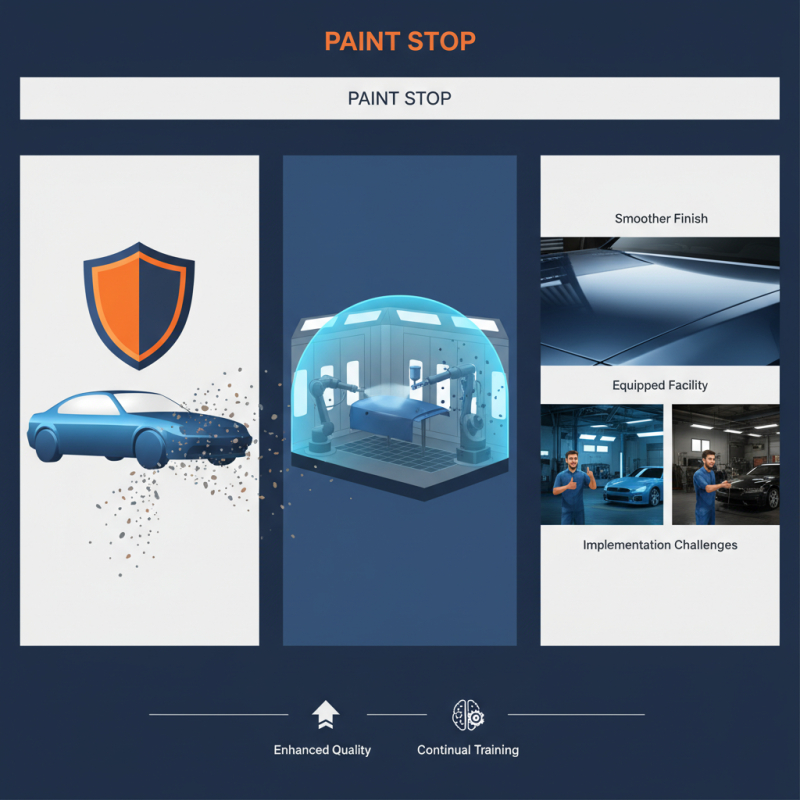
In the world of automotive refinishing, "Paint Stop" has emerged as a significant innovation. John Stevens, a leading expert in the paint protection industry, states, “Paint Stop revolutionizes how we think about paint application and protection.” This technology acts as a vital barrier against contaminants during the painting process. It reduces imperfections and ensures a smoother finish.
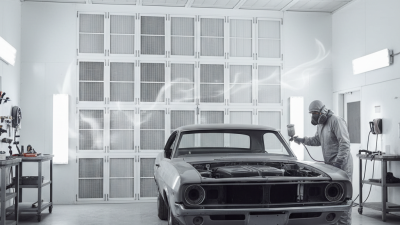
"Paint Stop" works by creating a controlled environment, minimizing dust and debris that can mar a fresh coat of paint. It is crucial for auto body shops that aim for perfection. However, challenges remain. Not all facilities are equipped with the right infrastructure. Some shops might struggle to implement it fully, leading to inconsistent results.
It's essential to recognize that while "Paint Stop" can enhance quality, it does not eliminate all potential issues. Continual training and adaptation are needed for success. The journey of perfecting paint application remains ongoing, and careful consideration is required to fully harness the benefits of this technology.
What is Paint Stop?
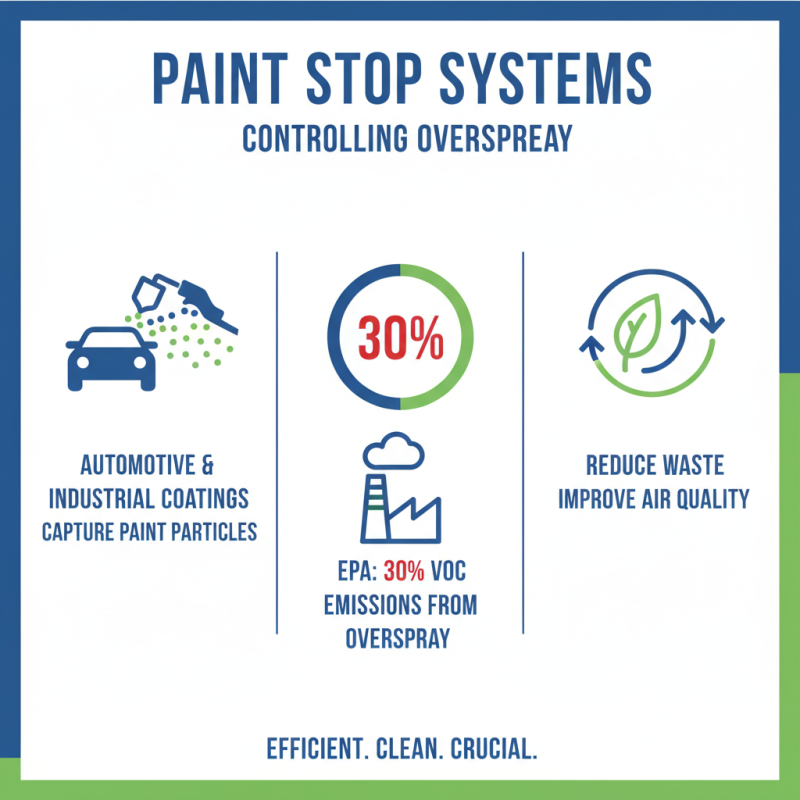
Paint Stop is a specialized system designed to control overspray while painting. It is particularly useful in various industries where precision and cleanliness are essential. The system often consists of barriers or filters that capture paint particles, preventing them from spreading to unintended areas. This leads to a cleaner work environment and reduces the time spent on clean-up.
In a typical setup, a workspace is equipped with Paint Stop materials that absorb and contain paint. This process minimizes contamination risks, especially in areas that require a pristine finish. While effective, it is important to note that not all overspray can be captured. Some particles may escape, and the effectiveness can depend on factors like airflow and humidity.
Even with the best systems in place, overspray issues can occur. Sometimes, workers forget to adjust the barriers or misjudge the distance from the paint source. Such missteps remind us that perfection is challenging in anyhands-on work. The key is learning from these moments to improve efficiency and outcomes in the future.
The Importance of Paint Stop in Industrial Settings
In industrial settings, paint stop plays a vital role in maintaining safety and cleanliness. It acts as a barrier, preventing overspray and dust from contaminating the work environment. This is especially important in industries like automotive and manufacturing, where precision is key. An effective paint stop system not only protects surfaces but also enhances air quality.
Tips: Regular maintenance of paint stop equipment is essential for optimal performance. Inspect filters and barriers frequently to ensure they are functioning properly. Even minor damages can lead to contamination. Keep the area clean to minimize overspray accumulation.
For professionals, understanding the limitations of paint stop is crucial. No system is infallible. Overspray can still occur, affecting production and safety. Workers should wear protective gear, regardless of the system in place. Encourage constant training to foster awareness about the importance of using paint stop effectively. This proactive approach can save time and resources in the long run.
How Paint Stop Systems Function
Paint Stop systems are designed to control overspray in spray applications. These systems are crucial in industries like automotive painting and industrial coatings. They capture paint particles, reducing waste and improving air quality. According to the Environmental Protection Agency, paint overspray can account for about 30% of all volatile organic compound emissions during the painting process. This statistic highlights the need for effective overspray management.
Paint Stop systems typically function through a combination of filtration and airflow. The technology uses a series of filters that trap paint particles before they escape into the environment. High-efficiency filters can capture particles as small as 0.3 microns. This level of filtration significantly reduces emissions and ensures cleaner air. However, the effectiveness of these systems can vary. Regular maintenance is essential to keep the filters functioning properly. If neglected, filters can become clogged, leading to ineffective overspray capture.
Implementation of Paint Stop systems may not guarantee immediate perfection. Some facilities report a learning curve as operators adjust to the technology. For instance, improper setup can cause uneven airflow, reducing capture efficiency. Training and ongoing assessment are needed. Ultimately, while these systems offer substantial benefits, consistent monitoring and adaptation are vital for achieving optimal results.
Key Benefits of Using Paint Stop Technology
Paint Stop technology revolutionizes surface preparation and finishing. It minimizes the need for extensive clean-up after painting. By using specialized coatings, it prevents paint from spreading to unwanted areas. This ensures a cleaner working environment.
One key benefit of Paint Stop is its efficiency. The application process is quick, reducing downtime in projects. Workers can focus more on painting rather than cleaning. Additionally, it prolongs the life of equipment due to less frequent cleaning requirements. However, achieving perfect results can still be challenging. Not all surfaces respond equally, and some materials might require extra consideration.
Another advantage is the environmental impact. Less waste is generated since less paint is oversprayed. This can lead to more sustainable practices in various industries. But, the initial costs of setting up such technology can be a concern. Companies often need to carefully evaluate their budgets. Adopting new methods always comes with its own set of challenges. Continuous assessment and adaptation are vital in this process. Many professionals find room for improvement in their approach.
Benefits of Using Paint Stop Technology
Common Applications and Industries for Paint Stop Solutions
Paint Stop solutions have become essential in various industries.
They are widely used in automotive, aerospace, and manufacturing sectors for paint application.
These systems help control overspray and improve paint finish quality. In automotive shops, for example,
Paint Stop helps maintain a clean environment. It reduces the chances of
dust and debris settling on freshly painted surfaces.
In aerospace, precision is critical. Paint Stop helps ensure that aircraft surfaces receive a
smooth and uniform coating. This reduces the risk
of defects that could compromise safety. Manufacturing plants also benefit. These solutions facilitate
efficient paint applications, saving time and materials.
However, the effectiveness of Paint Stop can vary based on conditions.
Poor ventilation or humidity can impact results. Thus,
regular maintenance and monitoring are crucial for optimal performance.
Despite its advantages, challenges remain. Not every facility
has the resources to implement Paint Stop systems effectively. Training staff is essential, yet often overlooked.
The lack of proper training can lead to mishaps, affecting the final product. Striking a balance between
cost and quality is an ongoing challenge for many. As industries evolve, so must their approaches to
paint solutions.