What is Hepa Air Filter and How Does It Work?
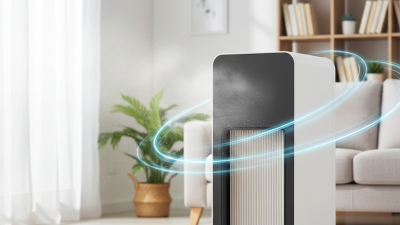
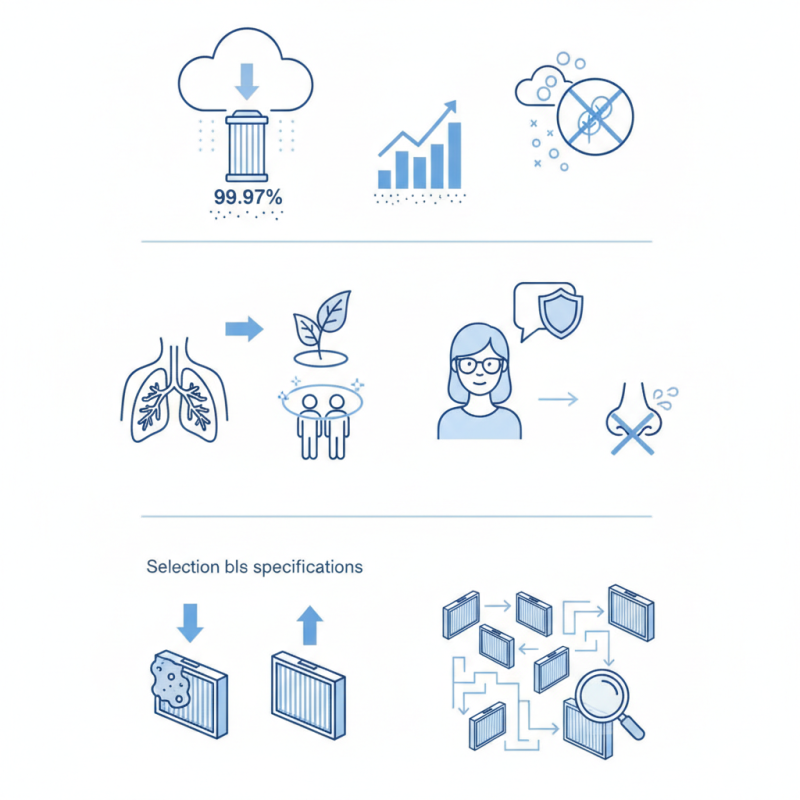
In today's world, air quality is a growing concern. With pollution and allergens on the rise, many seek solutions to improve indoor air. The Hepa Air Filter has gained significant attention for its effectiveness. It captures at least 99.97% of particles, including dust and pollen. According to a report by the American Lung Association, clean air can significantly enhance overall health and well-being.
Dr. Emily Carter, an industry expert in filtration systems, emphasizes the importance of Hepa Air Filters. She states, "Investing in high-quality air filtration is crucial for respiratory health." Such filters are particularly essential for allergy sufferers. Yet, despite their benefits, some overlook maintenance. A dirty filter can hinder performance, leading to more poor air quality.
Furthermore, selecting the right Hepa Air Filter is not always straightforward. The market is flooded with options, making decisions tough. Potential buyers must understand specifications that might be overlooked. A strategic choice can greatly impact air quality in homes and offices alike.
What is a HEPA Air Filter? Definition and Standards
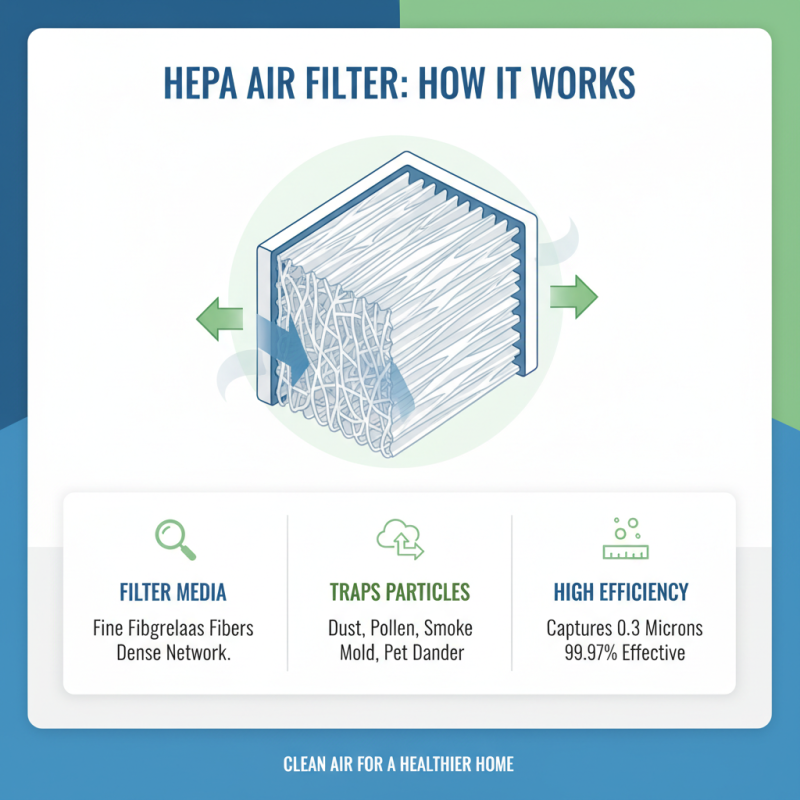
HEPA stands for High Efficiency Particulate Air. A HEPA air filter is designed to trap particles and pollutants. It captures at least 99.97% of particles that are 0.3 microns in diameter. This includes dust, pollen, and pet dander. Such efficiency makes it a popular choice for air purification.
To meet HEPA standards, filters must pass specific tests. They are evaluated based on their ability to capture airborne particles. The standard requires performance in controlled conditions. The filters are made from a mat of randomly arranged fibers. The arrangement creates a complex network that slows down and traps particles. Some people might think all filters are the same, but that’s not true.
Not all air filters are created equal. Many filters may look similar, yet they vary in efficiency. Investing in a HEPA filter can improve indoor air quality. However, these filters often require regular replacement. This can be a point of frustration, as many forget about maintenance. Also, not every space needs a HEPA filter. In smaller areas, other types of filters may suffice.
Key Components of HEPA Air Filters and Their Functions
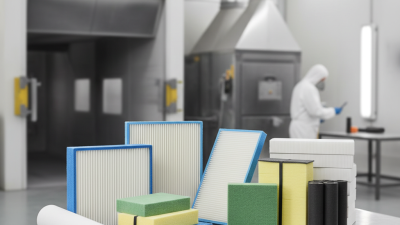
HEPA air filters are made up of several key components that work together to purify the air. The primary element is the filter media, usually made of fine fiberglass fibers. These fibers create a dense network, trapping particles as air passes through. This network is highly effective in capturing dust, pollen, and smoke. The efficiency of HEPA filters is their ability to capture tiny particles, often as small as 0.3 microns.
In addition to the filter media, there are also housing materials that protect the filter. This casing is usually constructed from durable plastic or metal. It not only holds the filter in place but also helps maintain air pressure. Seals are another important feature, ensuring no unfiltered air escapes. Some designs include a pre-filter, which captures larger particles beforehand, extending the life of the HEPA filter.
However, not all filters perform equally. Installation can be tricky, leading to issues like air bypass and reduced efficiency. Regular maintenance is also crucial, yet easily forgotten. Dust buildup can lessen the filter’s effectiveness. Users may overlook these details, affecting overall air quality. Recognizing these aspects can aid in making informed choices about air purification.
The Science Behind HEPA Filtration: How It Captures Particles
HEPA, or High-Efficiency Particulate Air, filters are renowned for their ability to trap tiny particles. They are capable of capturing at least 99.97% of particles that are 0.3 microns in diameter. This includes dust, pollen, and even some bacteria. The science behind HEPA filtration lies in its structure. HEPA filters consist of a dense mat of fiber. These fibers create a maze-like environment, catching particles through various mechanisms.
Particles enter the filter and encounter multiple paths. Some get stuck on the fibers due to diffusion, while others are trapped by interception. A study from the U.S. Environmental Protection Agency highlights that using HEPA filters can significantly improve indoor air quality. In fact, homes with HEPA filtration reported a 55% reduction in airborne allergens.
Tip: Regularly check your HEPA filter's condition. A dirty filter may not perform effectively. Change it according to the manufacturer's guidelines to maintain optimal performance.
While HEPA filters are effective, they aren't perfect. Some extremely small particles, under 0.3 microns, can occasionally pass through. Additionally, the filter may release trapped particles if not maintained properly. Therefore, combining HEPA filtration with regular cleaning practices can enhance air quality further.
Tip: Use a vacuum with a HEPA filter for better results. This dual approach helps capture particles that settle on surfaces.
What is Hepa Air Filter and How Does It Work?
| Dimension |
Description |
| Filtration Efficiency |
HEPA filters capture at least 99.97% of particles that are 0.3 microns in diameter. |
| Construction Material |
Typically made of pleated fiberglass or polypropylene. |
| Common Applications |
Used in air purifiers, vacuum cleaners, and HVAC systems. |
| Particle Types |
Traps dust, pollen, pet dander, mold spores, and smoke. |
| Lifespan |
Typically lasts 6 to 12 months, depending on usage and environment. |
| Maintenance |
Should be replaced regularly to maintain efficiency. |
Industry Standards: HEPA Filter Efficiency Ratings and Testing
HEPA filters, known for their efficiency, are essential in air purification. Their efficiency ratings are determined by standardized tests, ensuring they capture at least 99.97% of particles 0.3 microns in size. This measurement is crucial as it provides a benchmark for the filter's performance. The testing process simulates real-world conditions, assessing airflow and contaminant capture. Always look for filters labeled according to these industry standards.
When choosing a HEPA filter, consider your specific needs. Some filters are rated for use in medical facilities, while others are suitable for home environments. Not all HEPA filters are created equally. Regular maintenance is key to maintaining their efficiency over time. Dirty filters can hinder performance, allowing airborne particles to slip through.
Tips: Regularly check your filter's condition. Replace it as recommended by the manufacturer. Also, consider a filter with added layers for greater filtration. Understand your space and airflow. In smaller rooms, a standard HEPA filter may suffice. In larger spaces, you might need a more robust system. Doing so can significantly improve indoor air quality.
HEPA Filter Efficiency Ratings
Applications of HEPA Filters in Indoor Air Quality Management
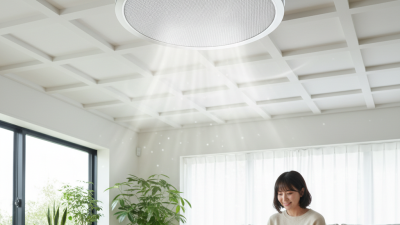
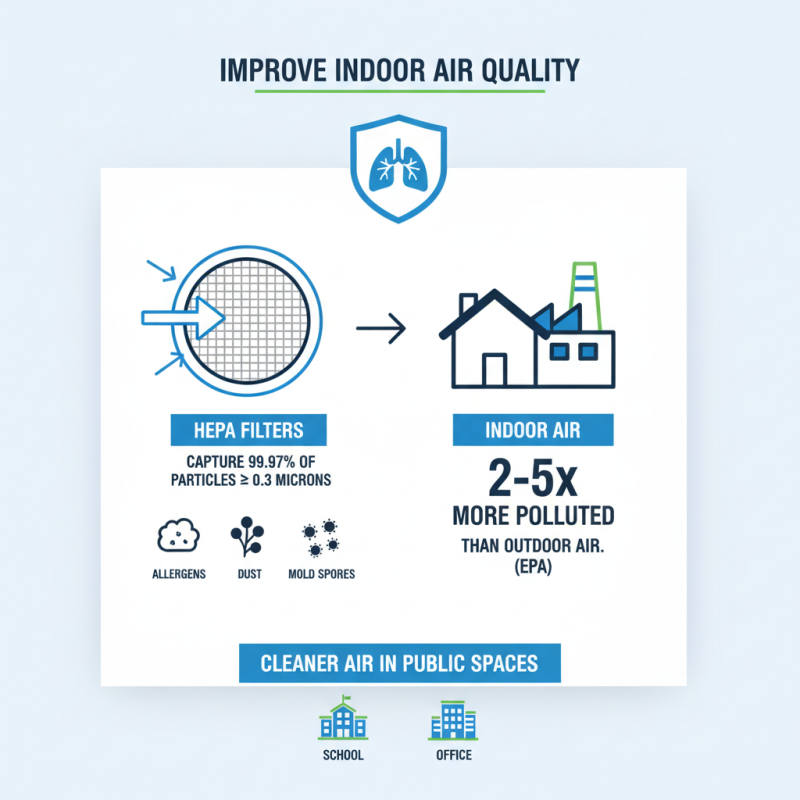
HEPA filters play a crucial role in indoor air quality management. These filters can capture 99.97% of particles that are 0.3 microns or larger. This includes allergens, dust, and mold spores. According to the Environmental Protection Agency (EPA), indoor air can be two to five times more polluted than outdoor air. In public spaces like schools and offices, HEPA filters can help reduce airborne contaminants effectively.
In homes, HEPA filters significantly improve air quality. They are effective in reducing respiratory issues like asthma and allergies. Studies show that the use of HEPA filters in homes can lower the number of indoor allergens by up to 60%. However, relying solely on HEPA filters may not address all air quality issues. Other sources of pollution, such as volatile organic compounds (VOCs), require additional strategies.
Regular maintenance of these filters is also vital. Neglecting this can lead to reduced efficiency. Dirty filters may release trapped particles back into the air. A recent study estimated that improper maintenance can decrease filter performance by 50%. This indicates the need for a balanced approach to indoor air quality management.