How to Choose the Right Paint Arrestor Floor Filter?
Choosing the right Paint Arrestor Floor Filter can significantly impact your facility's efficiency and safety. Industry expert John Smith, a seasoned engineer with over 20 years in air quality management, emphasizes, "Selecting the appropriate filter is crucial for maintaining optimal air quality and protecting workers." With the right filter, businesses can reduce airborne paint particles effectively.
The process, however, isn't as straightforward as it seems. There are several factors to consider. The filter's efficiency rating, material compatibility, and maintenance needs all play a role. Choosing a filter that meets your unique requirements can be challenging. In many cases, facilities install filters without adequate assessment, potentially leading to poor performance.
It’s worth noting that not all Paint Arrestor Floor Filters are created equal. Manufacturers may provide varying specifications and certifications. These choices can impact not just air quality but also operational costs. Businesses must be diligent in their selection process to avoid common pitfalls and ensure compliance with industry standards.
Understanding the Importance of Paint Arrestor Floor Filters
Paint arrestor floor filters play a crucial role in managing air quality in paint booths. These filters capture overspray and particulate matter, preventing them from dispersing into the surrounding environment. High-quality filters help maintain a cleaner workspace for both workers and the equipment used. An effective system can significantly reduce the risk of contamination in the air.
Choosing the right filter is not always straightforward. Factors such as thickness, material, and efficiency ratings matter. Keep in mind, not all filters are suitable for every application. You might find that some filters capture larger particles but struggle with fine mist. It's essential to assess your specific needs and paint types.
Regular maintenance is also a concern. Filters should be monitored and replaced as needed. Neglecting this aspect can lead to decreased performance. Knowing when to change filters is not always easy, and it often requires diligence. Finding the optimal balance between cost and efficiency is necessary, yet challenging. This is a decision that requires careful consideration and ongoing adjustments.
Types of Paint Arrestor Floor Filters Available on the Market
When selecting paint arrestor floor filters, understanding the types available is crucial. Paint arrestor filters capture overspray and particulates, promoting a cleaner environment. There are several categories, including disposable, washable, and composite filters. Each type has different applications based on specific needs.
Disposable filters are designed for one-time use. They efficiently capture large volumes of paint particles. Data from industry reports indicate that they can achieve an efficiency rating of up to 95%. This option is often preferred in high-volume facilities. However, costs can add up over time, requiring consideration of long-term budgeting.
Washable filters provide a more sustainable choice. Often made from synthetic materials, they can be cleaned and reused. Their lifecycle can extend up to five years with proper maintenance. Yet, they may not capture smaller particles as effectively as their disposable counterparts. Composite filters incorporate multiple materials for enhanced filtration, striking a balance between cost and efficiency. An industry analysis suggests that these filters can provide efficiency improvements of 10-15% in certain applications.
Choosing the right type involves assessing your specific needs and monitoring your facility's unique paint processes. Each filter type has its pros and cons. Evaluating these factors allows businesses to maintain optimal air quality while keeping operational costs manageable.
Key Factors to Consider When Choosing a Paint Arrestor Filter
When choosing a paint arrestor floor filter, several key factors come into play. The type of filter material significantly affects its performance. Synthetic materials often capture finer particles. However, they can also be less absorbent. Consider the filter's thickness as thicker filters generally offer better performance. Thin filters may clog quickly, leading to inefficiencies.
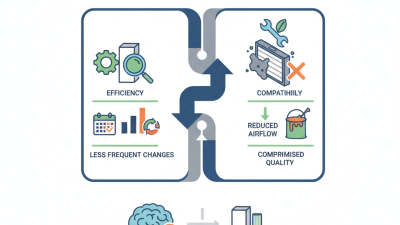
The airflow rate is another essential consideration. It's crucial to match the filter with your spray booth's airflow. If the filter restricts airflow too much, it can hinder the paint application process. Look for filters that provide a balance between particle capture and airflow efficiency.
Lastly, consider the maintenance needs of the filter. Some may require frequent changing, which can be a hassle. Others might be more forgiving and longer-lasting. The choice ultimately relies on your operational workflow and budget. Reflecting on your needs is essential to find the right fit.
How to Properly Maintain Your Paint Arrestor Floor Filter
Maintaining your paint arrestor floor filter is crucial for ensuring optimal performance in paint booths. Dirty filters can lead to inefficient operations and compromised air quality. According to the Environmental Protection Agency (EPA), regular maintenance of air filtration systems can improve efficiency by up to 30%. This highlights the importance of timely inspections and replacements.
Inspect your filters at least once a month. Look for signs of wear, such as discoloration or clogging. When filters are saturated with paint and debris, they become ineffective. Some facilities require changing filters every few weeks, especially in high-traffic operations. Using a pressure gauge can help determine when a filter needs replacement. If the pressure difference exceeds recommended levels, it's time for a change.
Cleaning your filters between replacements can extend their lifespan. Use a vacuum with a HEPA filter for effective debris removal. Ensure cleaning is done cautiously, as improper techniques can damage the filter material. Balancing maintenance with efficiency can feel challenging. Yet, continuous monitoring and adjustments contribute to the indoor air quality and overall safety for workers in the facility.
Common Mistakes to Avoid When Selecting a Paint Arrestor Filter
Selecting the right paint arrestor floor filter can be a challenging task. Many choose filters based solely on price or size, overlooking crucial performance factors. This can lead to inefficiency and increased costs in the long run. Remember, a filter’s ability to capture particles effectively is more important than its initial cost.
One common mistake is ignoring airflow. Filters that are too dense can restrict airflow, leading to poor ventilation. It’s essential to balance filtration efficiency with airflow needs. Likewise, neglecting to check the filter's longevity is another oversight. Frequent replacements can accumulate costs and disrupt operations. Visual inspection is important too. Dust buildup can indicate that your filter isn’t working effectively.
People often underestimate maintenance requirements. Filters need regular checks to ensure they function correctly. Delaying replacements based on visual cues might save money temporarily, but it can result in more substantial expenses later. A solid understanding of your spray booth’s specific needs is vital to avoid these missteps. An informed choice can enhance both performance and safety.
Paint Arrestor Filter Selection: Common Mistakes to Avoid