How to Choose the Right Large Hepa Filter for Your Home Air Quality?
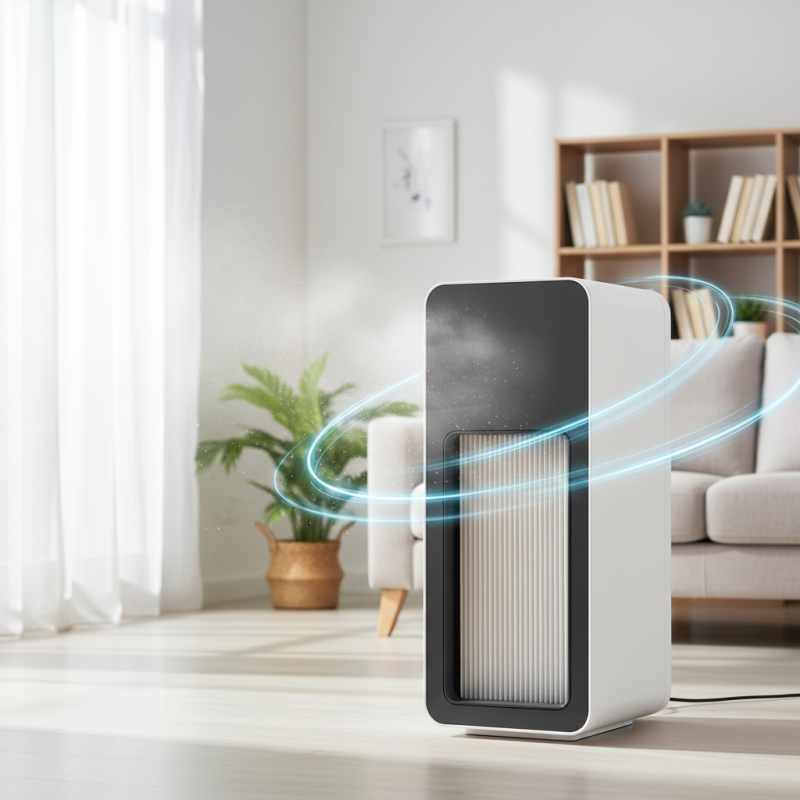
Choosing the right large HEPA filter can significantly improve your home air quality. Airborne pollutants, dust, and allergens affect our health. A large HEPA filter captures fine particles, helping create a healthier living space.
When selecting a large HEPA filter, consider your home's specific needs. The size of your space matters. A larger area may require a larger filter to effectively purify the air. Check the filter’s specifications. Not all filters are created equal, and efficiency can vary.
Moreover, installation is crucial. Ensure it fits well in your system. An improperly installed filter may not perform optimally. We must reflect on our choices and understand that one size does not fit all. Each home has unique airflow patterns. A large HEPA filter can be a great investment, but it's important to choose wisely.
Understanding HEPA Filter Ratings and Standards for Home Use
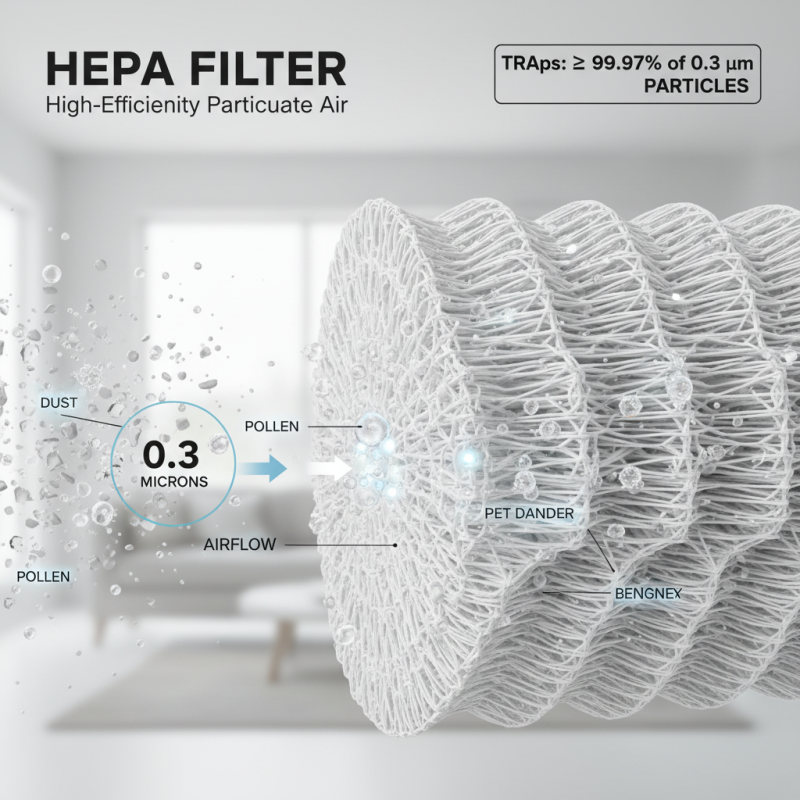
When selecting a large HEPA filter, understanding the ratings and standards is crucial. HEPA stands for High-Efficiency Particulate Air. A true HEPA filter must trap at least 99.97% of particles that are 0.3 microns in size. This includes dust, pollen, and pet dander. According to the U.S. Department of Energy, high-quality HEPA filters can significantly improve indoor air quality, which is vital for health.
Different HEPA filters might come with varied certifications. The EN 1822 standard, for instance, focuses on filtration efficiency and classifies filters into several categories. The H13 and H14 ratings are commonly acknowledged for their high performance. However, many filters marketed as HEPA do not meet these stringent criteria. It may surprise you that some products mislead consumers about their effectiveness.
Installation and maintenance also play significant roles in performance. A poorly installed filter can reduce efficiency despite high ratings. Regular cleaning or filter replacement is necessary to maintain optimal air quality. In this regard, focus on user reviews and independent testing results, as they provide valuable insights into real-world performance.
Assessing the Square Footage and Airflow Needs of Your Space
When choosing a large HEPA filter, understanding your space is crucial. Start by measuring the square footage of your home. This gives a clear picture of your air quality needs. If your home is 1,500 square feet, you need a filter that can handle this size. Larger spaces have increased dust, allergens, and pollutants.
Next, consider the airflow needs. A good rule of thumb is to aim for a filter that can clean the air in your space every 15 to 30 minutes. For smaller rooms, a lower airflow may suffice. In contrast, open concepts or larger areas require higher CFM (cubic feet per minute).
Think about where you place the filter. Placement can impact effectiveness. If it’s tucked away in a corner, airflow may be restricted. Reflect on your lifestyle too. If pets roam, you might need a more robust system. Observe how the filter performs in your space. If it struggles, it may be time to reassess your choice.
Identifying Common Pollutants and Allergens in Your Home Environment
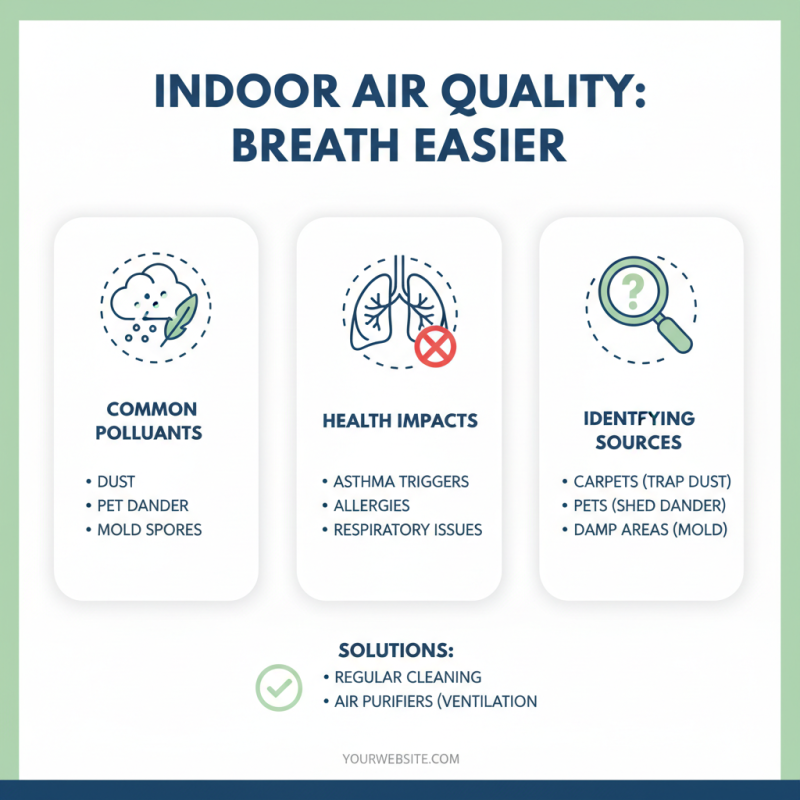
Indoor air quality can significantly impact your well-being. Common pollutants include dust, pet dander, and mold. These allergens can trigger asthma and allergies. Identifying the sources of these pollutants is crucial. For instance, carpets can trap dust. Pets may shed dander that lingers in the air. Regular cleaning can help, but it may not be enough.
Consider your home environment. If you live in a humid area, mold could be a concern. Stagnant air can increase allergens. Poor ventilation aggravates the situation. Look for signs of dampness on walls or ceilings. Often, cleaning routines neglect hidden spaces, leading to persistent airborne particles.
Choosing the right large HEPA filter is essential. Such filters capture much of the dust and allergens. However, not all filters are created equal. Consider factors like room size and filter efficiency. A filter that's too weak won’t help. An oversized one may create unnecessary noise. Think about your needs and environment carefully. The right choice can significantly improve air quality at home.
Evaluating Maintenance Requirements and Filter Lifespan
When choosing a large HEPA filter for your home, maintenance and lifespan are crucial considerations. A typical HEPA filter lasts between six months to three years, depending on usage. Frequent dust accumulation can shorten this lifespan. Regular maintenance, such as checking for clogs and replacing filters, is vital. Many households overlook this. Ignoring maintenance can lead to decreased air quality.
Professional guidelines suggest checking the filter every month. This can help ensure efficiency. Research shows that filters with higher MERV ratings capture more fine particles. However, higher MERV ratings may require more frequent changes. It's a balancing act. A MERV rating of around 13 is often advised for residential settings. This provides dust and allergen control without overwhelming HVAC systems.
In practical terms, homeowners should budget for filter replacements. Some filters may seem cost-effective but require more frequent replacements. Assessing filter longevity against cost can be complex. You might save short-term but spend more long-term. Individuals need to reflect on their air quality needs. Tracking performance over weeks can reveal if a filter is suitable.
How to Choose the Right Large Hepa Filter for Your Home Air Quality?
| Filter Type |
MERV Rating |
Maintenance Frequency |
Expected Lifespan |
Filter Size (inches) |
| Standard HEPA |
13-16 |
Every 6-12 months |
1-2 years |
20x20 |
| High-Efficiency HEPA |
17-20 |
Every 12 months |
2-3 years |
24x24 |
| Activated Carbon HEPA |
13-16 |
Every 6-12 months |
1-2 years |
20x20 |
| Electrostatic HEPA |
16-20 |
Every 6-12 months |
1-3 years |
25x25 |
Comparing Costs and Efficiency of Different HEPA Filter Brands
When selecting a large HEPA filter, it’s crucial to compare the costs and efficiency of various options on the market. Many consumers assume that higher price always equals better performance. However, this is not always the case. Some mid-range filters provide excellent air purification at a fraction of the cost. These filters often capture 99.97% of particles, which is what you want for healthy air.
Energy efficiency ratings play a significant role in long-term costs. A filter that uses more energy will increase electric bills. We need to evaluate how much energy each filter consumes. Sometimes, opting for a slightly more expensive filter can save money over time because of lower energy consumption. It's not just about purchase price; think about your overall expenses.
Make sure to read reviews and gather user experiences. Some filters promise a lot but don’t deliver. There can be inconsistencies in effectiveness, which can be frustrating. Testing multiple filters might be necessary to find what works. This process can lead to trial and error. It’s important to reflect on these choices; they impact your home's air quality directly. Adjust your search based on what features matter most to your household.
Comparing HEPA Filter Efficiency and Costs
This chart compares the efficiency and costs of different HEPA filters. The blue bars represent the efficiency percentages, while the red bars illustrate the cost of each filter in dollars. Choose wisely to improve your home air quality!