How to Choose the Best Spray Booth Floor Filter for Your Workshop?
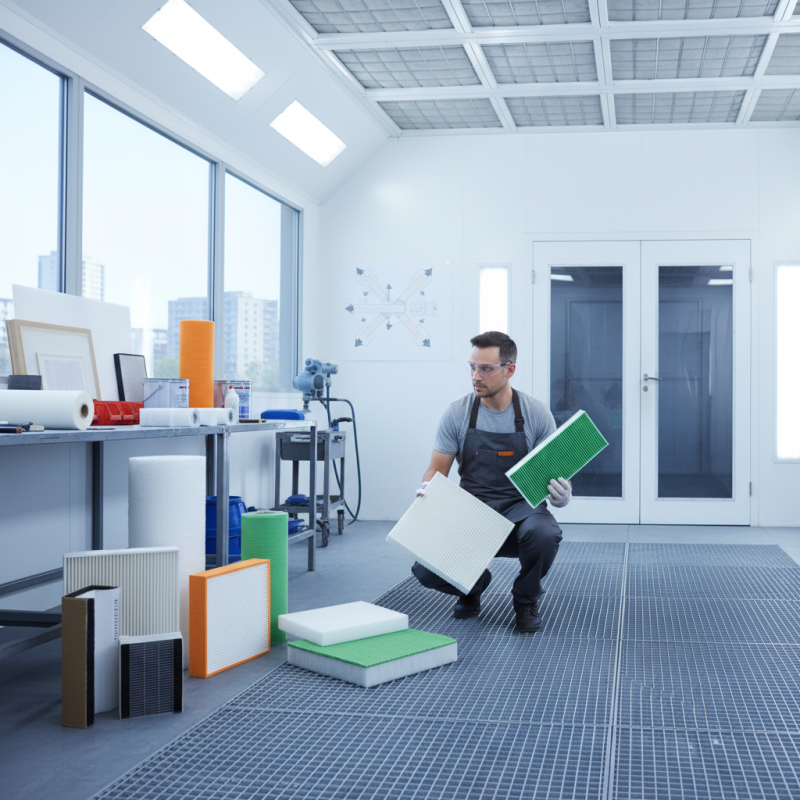
Choosing the right Spray Booth Floor Filter for your workshop can be challenging. A good filter ensures clean air and a safer workspace. It helps to trap harmful particles and prevent them from circulating.
When selecting a Spray Booth Floor Filter, consider the size and airflow of your booth. A filter that doesn’t fit properly will not work effectively. Additionally, different materials offer various levels of filtration. Not all filters are created equal; some may not trap finer particles.
It’s also important to reflect on how frequently you paint. A high-volume workshop may require different filters than a hobbyist setup. Sometimes the cheapest option isn’t the best choice. Investing in a quality filter saves money in the long run. A poorly selected filter can lead to a messy environment and safety hazards. Therefore, take your time to evaluate your options.
Understanding the Importance of Spray Booth Floor Filters for Workshops
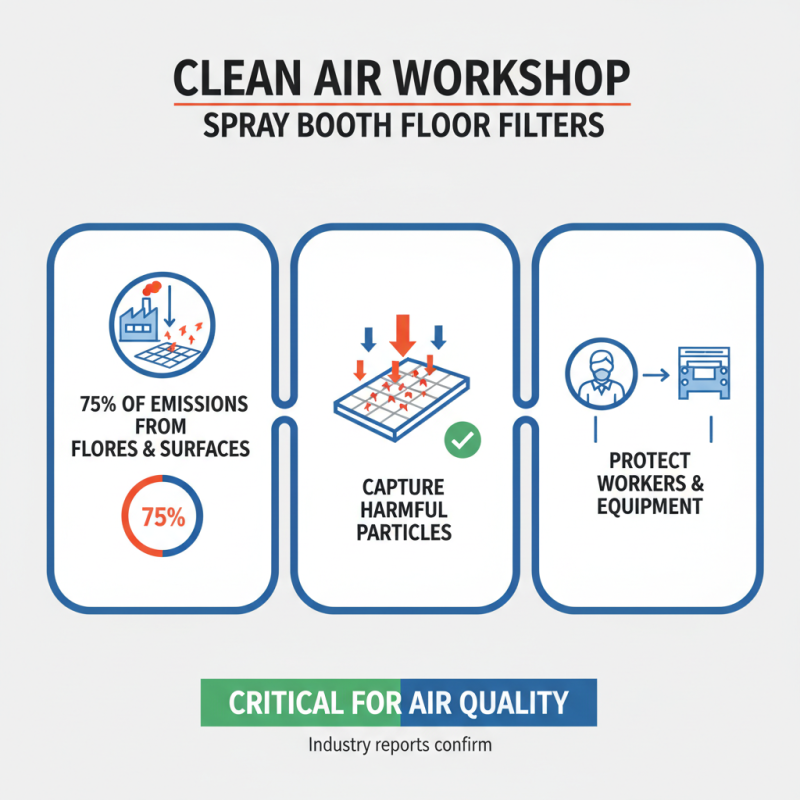
In a workshop, maintaining air quality is critical. Spray booth floor filters play a significant role in this. According to industry reports, nearly 75% of hazardous emissions originate from floors and surfaces in active workshops. These filters capture harmful particles, preventing them from dispersing into the air. They protect both workers and equipment from contamination.
Selecting the right filter can be challenging. Many filters claim high efficiency, yet not all perform reliably. Some might only capture larger particles, allowing smaller, more harmful ones to escape. A study indicated that filters with a MERV rating of 13 or higher provide better protection, trapping even fine dust and mist.
Regular maintenance is equally important. Clogged filters can impede performance and reduce airflow. Technicians often forget this step, leading to inefficiencies. Reports suggest that workshops that replace filters every month see a drop in airborne pollutants by up to 50%. However, many wait until filters are visibly dirty. This oversight can expose workers to dangerous particles and compromise the overall environment.
Identifying Your Workshop's Specific Air Quality Needs
Identifying your workshop's specific air quality needs is crucial for choosing the right spray booth floor filter. A study by the EPA highlights that over 50% of indoor air quality issues stem from particulate matter and volatile organic compounds (VOCs). Understanding these pollutants will help you select filters tailored to your environment.
Different workshops will encounter various contaminants. For instance, a woodshop may deal with fine sawdust. In contrast, an automotive shop might face chemical fumes and overspray. According to research from the National Institute for Occupational Safety and Health (NIOSH), inadequate air quality can contribute to respiratory issues in workers. Evaluating your workshop's primary pollutants is essential for ensuring a safe working environment.
When assessing air quality needs, consider the size of your workshop and the volume of work. Smaller spaces may require more efficient filters due to limited circulation. Regular monitoring of air quality is vital. Many workshop owners overlook this, leading to long-term health risks. Finding the perfect filter isn't always straightforward, as the market offers various options with mixed reviews. Understanding specific needs will guide you in making an informed choice.
Air Quality Needs in Different Workshops
Comparing Different Types of Spray Booth Floor Filters
Choosing the right spray booth floor filter is crucial for maintaining air quality in your workshop. Understanding the differences in filter types can significantly impact your operation.
HEPA filters capture up to 99.97% of particles, making them an excellent choice for fine finishes. However, they can be costlier and may require more frequent changes compared to other options.
Electrostatic filters are another viable option. They trap dust and contaminants effectively using an electric charge. While they are more affordable, they might not capture the smallest particles as efficiently as HEPA filters. It's essential to weigh the pros and cons based on your specific needs, including budget and air quality requirements.
Tip: Regular maintenance of your filters can lead to longer life spans and better performance. Keep an eye on the pressure drop across your filters; it can indicate when they need replacement.
When selecting a filter, consider the type of materials you use. Some filters are designed for specific applications. Make the wrong choice, and you might find your workflow disrupted by insufficient filtration. Stay informed about filter capabilities and industry standards, as this can lead to better decision-making in the long run.
Key Features to Look for in a Quality Spray Booth Floor Filter
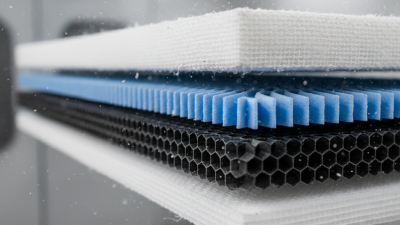
When selecting a spray booth floor filter, several key features should be considered. A good filter should capture both large particles and fine dust. This dual capability ensures that your workspace remains clean. Look for filters with multiple layers. Multi-layer designs often enhance filtration efficiency. They trap different size particles effectively, reducing contamination.
Another important aspect is airflow resistance. A filter should allow smooth airflow while effectively capturing contaminants. If airflow is hindered, it may lead to inefficiencies in paint application. Additionally, consider the size of the filter. Compatibility with your booth is crucial. A poorly fitting filter can compromise performance. Measure your spray booth dimensions before purchasing.
Lastly, ease of replacement is something to reflect on. Filters should be easy to install and remove. Complicated systems can lead to downtime and frustration. Regular maintenance is essential. A filter that requires less frequent changes may seem ideal but can sometimes reduce effectiveness. Balancing convenience and performance is necessary. Aim for a filter that meets your specific needs while maintaining high filtration standards.
Maintenance Tips for Prolonging the Life of Your Floor Filter
Maintaining your spray booth floor filter is crucial for optimal performance. A dirty or worn-out filter can lead to poor air quality and hazardous conditions. Regular cleaning is your first step. Dust and debris can accumulate quickly. A simple vacuuming can often do the trick. But don’t forget about deep cleaning every so often.
Replace your filter on a schedule. Ignoring this can be a costly mistake. A good rule of thumb is to check it monthly. If you notice reduced airflow, it’s time for a change. This simple act can enhance the overall efficiency of your workshop. Filters are not meant to last forever.
Tips for prolonging filter life: Always wear gloves when handling your filter. This avoids leaving oils and dirt from your hands. Store extra filters in a dry, cool area. Moisture can damage them. Lastly, keep track of usage. It helps you know when to clean or replace. Doing these small things can make a significant difference over time.
How to Choose the Best Spray Booth Floor Filter for Your Workshop? - Maintenance Tips for Prolonging the Life of Your Floor Filter
| Filter Type |
Filtration Efficiency (%) |
Recommended Maintenance Frequency (Months) |
Lifespan (Months) |
Cost ($) |
| HEPA Filter |
99.97 |
6 |
12 |
150 |
| Activated Carbon Filter |
85 |
3 |
6 |
120 |
| Polyester Filter |
90 |
12 |
18 |
80 |
| Paper Filter |
75 |
2 |
3 |
40 |