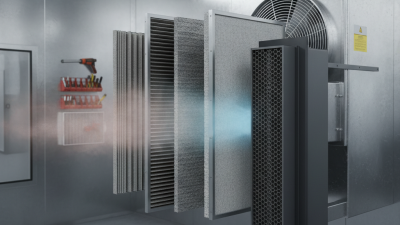
China Top Spray Booth Paint Filter Types and Their Benefits?
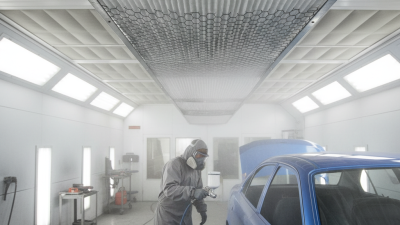
In the realm of automotive refinishing, understanding different types of "Spray Booth Paint Filters" is crucial. John Smith, a leading expert in the spray booth industry, emphasizes, "Choosing the right filter can significantly impact paint quality and booth efficiency." Filters play a vital role by removing contaminants. These pollutants can ruin finishes, leading to costly rework.
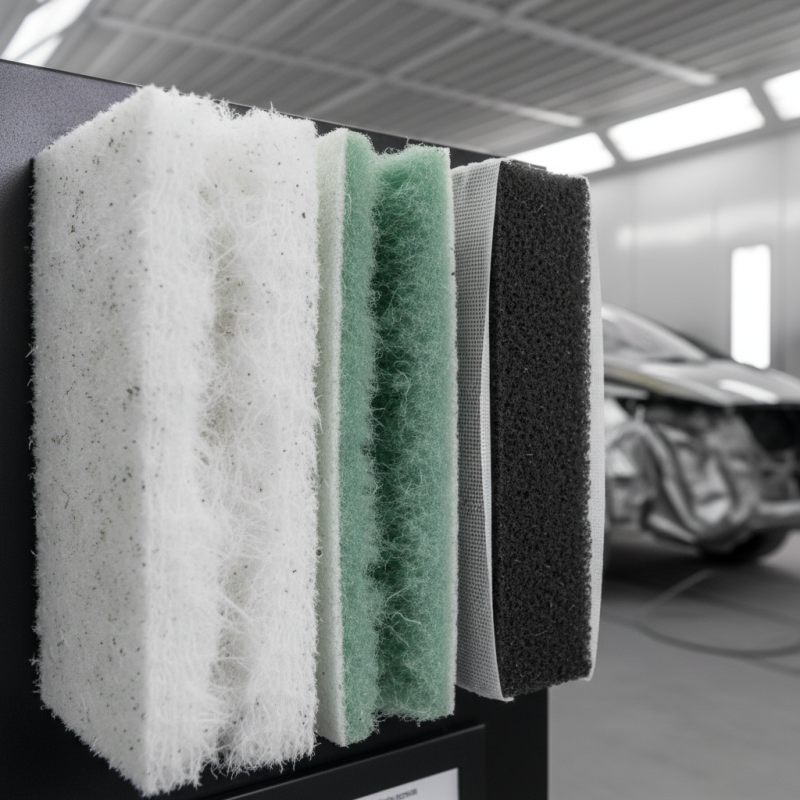
Various filter types exist, such as polyester, fiberglass, and activated carbon. Each type has unique benefits. For instance, polyester filters excel at capturing large particles, while activated carbon filters absorb odors and harmful vapors. Selecting the appropriate filter depends on specific booth setup and paint materials.
However, the decision-making process can be challenging. Many businesses overlook filter maintenance. Regular checks and replacements are essential to maintain performance. Ignoring this can lead to decreased efficiency and higher operational costs. Understanding these elements deepens one's knowledge of "Spray Booth Paint Filters," ensuring better outcomes in paint applications.
Types of Spray Booth Paint Filters Used in China’s Automotive Industry
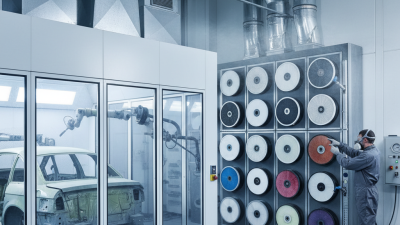
In China’s automotive industry, spray booth paint filters play a crucial role. Various types of filters are available, each serving specific purposes. Among them, the polyester filters are a common choice. They effectively capture fine paint particles and are highly durable. This longevity reduces the need for frequent replacements, offering cost savings to manufacturers.
Another popular type is the activated carbon filter. This filter is essential for eliminating harmful odors and volatile organic compounds (VOCs). While they can be effective, they often require careful monitoring. An expired filter may lead to inadequate air quality. Thus, proper maintenance is key to their effectiveness.
Some shops might opt for multi-stage filters. These can provide comprehensive protection, but they tend to be more expensive. Many smaller garages may overlook investing in such systems. Balancing budget and filtration quality often poses challenges. Attention to these details can improve overall safety and efficiency in the paint process.
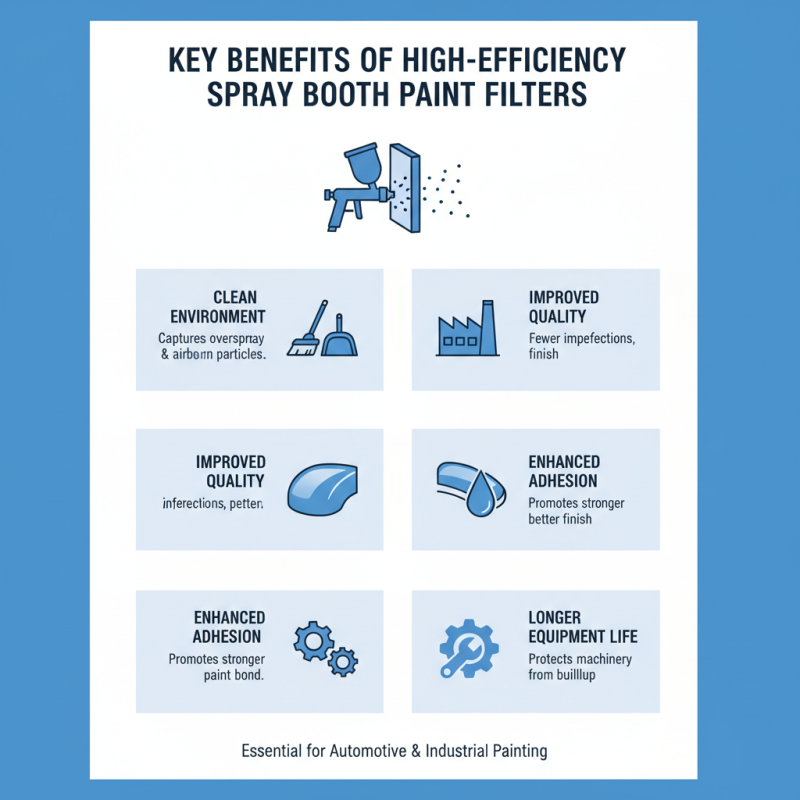
Key Benefits of High-Efficiency Spray Booth Paint Filters
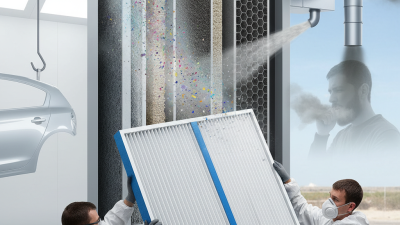
High-efficiency spray booth paint filters play a vital role in automotive and industrial painting processes. These filters capture overspray and airborne particles effectively. Consequently, they help maintain a clean work environment. Using them can improve paint adhesion and finish quality. Cleaner air translates to fewer imperfections in the final product.
Investing in the right spray booth filter can yield significant advantages. High-efficiency filters ensure that toxic fumes and volatile organic compounds (VOCs) are minimized. This is essential for worker safety and compliance with environmental regulations. Moreover, filters with a higher capture rate can extend equipment life. They prevent contaminants from entering pumps and compressors, reducing maintenance costs.
While the benefits are clear, effectiveness can vary based on usage. Some filters may become saturated quickly in high-volume environments. Regular monitoring is crucial to ensure optimal performance. It’s not uncommon for users to overlook this aspect, resulting in decreased efficiency over time. Balancing filter choice with workload will lead to better results and enhanced safety.
Comparative Analysis of Fiber vs. Synthetic Spray Booth Filters
When choosing spray booth filters, the choice between fiber and synthetic options is crucial. Fiber filters are often made from natural materials. They have a high dust-holding capacity and are biodegradable. However, they can absorb moisture, compromising their efficiency over time. A wet filter may lead to reduced airflow and increased maintenance needs. Users must regularly inspect these filters to ensure they remain effective.
On the other hand, synthetic filters are made from man-made fibers. They are generally more durable and resistant to moisture. Their non-woven structure allows for better airflow and particle capture. However, synthetic filters can be more expensive upfront. They may not degrade like fiber filters, raising environmental concerns. In practice, the choice often depends on specific operational needs and budget considerations. Balancing cost, efficiency, and environmental impact is key for many businesses.
Impact of Paint Filter Types on Air Quality Standards in China
In China, the type of paint filter used in spray booths significantly influences air quality standards. According to recent reports, various filter types affect both emissions and the overall health of workers in the paint industry. High-efficiency particulate air (HEPA) filters can capture up to 99.97% of particles, which helps in reducing volatile organic compounds (VOCs) released into the air. This meets stricter environmental regulations.
Research indicates that spray booths equipped with quality filters improve indoor air quality by minimizing harmful pollutants. A study highlighted that facilities that upgraded to better filtration systems saw a 35% reduction in airborne contaminants. These improvements are essential for maintaining compliance with China's air quality standards. However, the cost of high-quality filters can be a concern for smaller manufacturers, leading to potential non-compliance.
Moreover, not all filters are equal in performance. Some common types, like fiberglass filters, may not capture microscopic particles efficiently. This can lead to an accumulation of toxic substances in the air. As companies strive to adhere to regulations, it’s vital to evaluate filter options carefully. Addressing these challenges remains crucial for industry growth and environmental protection.
Cost-Effectiveness of Various Spray Booth Filter Options in the Market
When considering spray booth filters, cost-effectiveness is crucial. Various filter types offer different benefits and prices. For instance, synthetic filters provide high efficiency but may come with a higher initial cost. These filters capture fine particles and keep the work environment clean.
Fiberglass filters are commonly used due to their lower price. They serve basic filtration needs but may require more frequent replacements. This can increase long-term costs. Users often overlook the balance between upfront savings and ongoing expenses. It is vital to evaluate the performance of filters against their price.
Carbon filters are effective for odor control but can be more expensive. Their longevity depends on application type and usage frequency. Many users fail to account for this factor in their budgeting. Investing in high-quality filters can lead to better air quality and reduced health risks. Reflecting on the filter choices can lead to long-term savings and improved workspace safety.
China Top Spray Booth Paint Filter Types and Their Benefits
| Filter Type |
Material |
Efficiency (%) |
Lifespan (hours) |
Cost (USD) |
Benefits |
| 防火过滤器 |
聚酯 |
95% |
200 |
50 |
优良的防火性能和过滤能力 |
| HEPA过滤器 |
玻璃纤维 |
99.97% |
150 |
100 |
能高效清除极小颗粒,空气洁净 |
| 活性炭过滤器 |
活性炭 |
80% |
100 |
75 |
有效去除异味和挥发性有机化合物 |
| 初效过滤器 |
合成材料 |
80% |
300 |
25 |
适用于捕集较大颗粒,成本低 |
| 纸质过滤器 |
纸张 |
75% |
80 |
10 |
经济实用,适合轻度使用场合 |