Best Spray Booth Inlet Filters for Optimal Air Quality?
In the quest for optimal air quality within spray booths, the choice of Spray Booth Inlet Filters is crucial. Renowned expert James Miller, a leading figure in air filtration technology, emphasizes, “The right filters can make a difference between clean air and harmful exposure.” His statement highlights the significance of quality filters to maintain safety in workplaces.
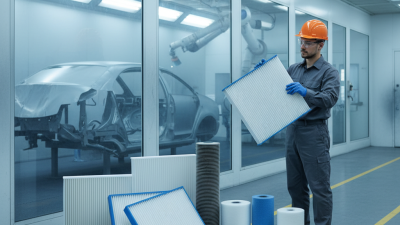
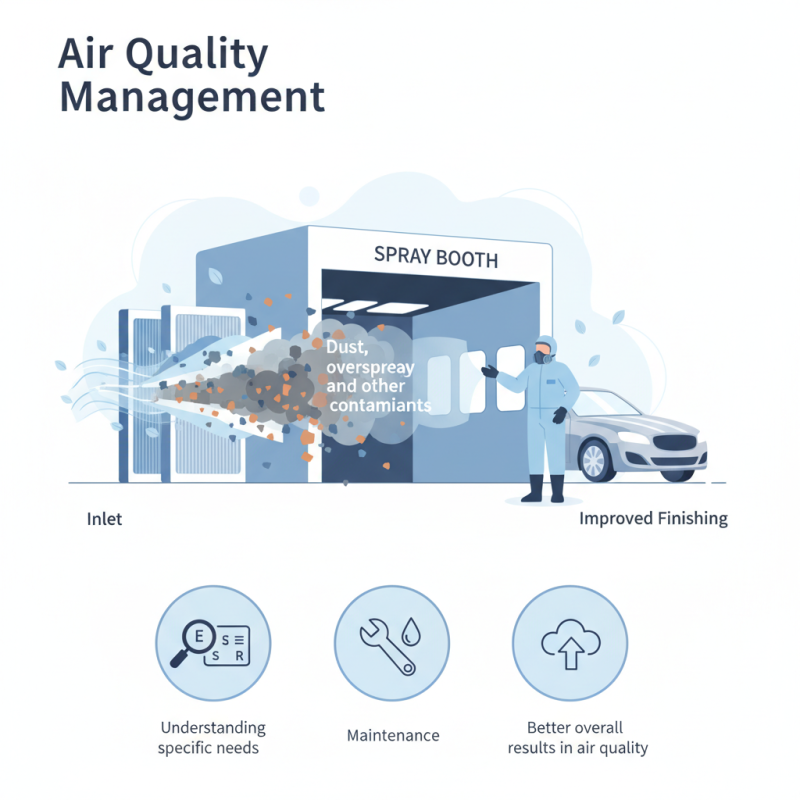
Spray Booth Inlet Filters are essential for minimizing airborne particles. They trap dust, overspray, and other contaminants, enhancing the air quality. A well-chosen filter not only protects workers but also improves the finishing process. However, many businesses often overlook the maintenance of these filters, leading to suboptimal performance.
Choosing the best filters requires understanding specific needs. Factors like filter size, efficiency rating, and airflow resistance matter. Some may find options overwhelming. An approach based on trial and error may lead to wasted resources. Reflecting on the importance of making informed choices in filters can lead to better overall results in air quality management.
Overview of Spray Booth Inlet Filters and Their Importance
Spray booth inlet filters play a vital role in maintaining air quality. These filters help remove airborne contaminants. This is essential in environments where paint, solvents, or chemicals are used. According to industry reports, effective filtration can reduce particulate matter by up to 95%. Cleaner air leads to healthier workspaces and better product finishes.
Proper filtration not only protects workers but also equipment. Contaminants can damage paint booths over time. This can lead to costly repairs and downtime. A study found that inadequate filtration can increase operational costs by 15% annually. There is room for improvement in many facilities. Regular filter monitoring is often overlooked. This negligence can compromise the entire painting process.
Choosing the best spray booth filters involves consideration of efficiency and compatibility. A high-efficiency particulate air (HEPA) filter can trap smaller particles. However, they may require more frequent replacement. Neglecting this can lead to diminished air quality and increased exposure to harmful substances. Striking a balance between cost and performance is crucial.
Best Spray Booth Inlet Filters for Optimal Air Quality
| Filter Type |
Efficiency Rating (%) |
Filter Life (Months) |
Airflow Resistance (Pa) |
Applications |
| Polyester Panel Filter |
80 |
6 |
25 |
General Purpose |
| Fiberglass Filter |
90 |
3 |
30 |
Heavy Duty |
| HEPA Filter |
99.97 |
12 |
40 |
Fine Particulate Removal |
| Activated Carbon Filter |
80 |
6 |
20 |
Odor Control |
| Electrostatic Filter |
95 |
9 |
35 |
Dust & Particulates |
Types of Inlet Filters for Spray Booths: A Comprehensive Guide
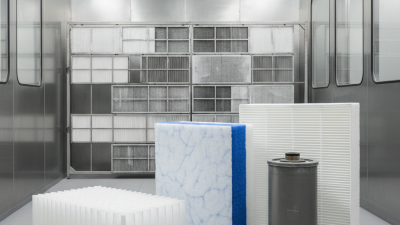
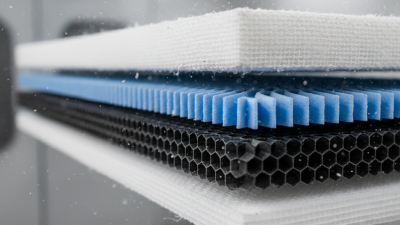
In the world of spray booths, inlet filters play a crucial role in ensuring air quality. There are various types of inlet filters available, each designed to meet specific needs. One common type is the foam filter, known for its excellent dust and particle retention. It is lightweight and easy to clean. However, it may not capture the finest particles effectively.
Another type is the fiberglass filter, which offers good filtration capabilities. This filter can withstand high volumes of air and is durable. Yet, it can be less efficient when the air flow is uneven. Some users have reported difficulty in airflow due to the filter’s density.
Heavier options, like HEPA filters, provide high filtration efficiency. They are great for capturing tiny particles. Unfortunately, they can be costly and may require frequent changes. Choosing the right filter depends on your specific needs and the type of work being done. Remember, a filter that works perfectly in one scenario might not be ideal in another. Pay attention to your booth's performance post-installation to ensure optimal results.
Key Features to Consider When Selecting Spray Booth Inlet Filters
When selecting spray booth inlet filters, several key features must be considered. The efficiency of the filter is paramount. A high-efficiency particulate air (HEPA) filter can capture up to 99.97% of airborne particles. However, some filters may only achieve 85% efficiency. This can lead to poor air quality and compromise worker safety.
Filter lifespan is another crucial factor. Industry reports indicate that filters should be replaced every 3 to 12 months. Environmental conditions and usage frequency greatly affect this timeline. Additionally, some filters may clog quickly in dusty environments. A filter that lasts longer may reduce long-term costs, but it can also lead to decreased airflow if not monitored regularly.
Finally, consider the filter's compatibility with your spray booth. Some filters may not fit uniformly in all booths. Gaps can allow unfiltered air to enter. This can deteriorate air quality significantly. Always check specifications before making a decision. Balancing these features can be challenging, but it's essential for maintaining optimal air quality and safety in the workspace.
Maintenance Tips for Ensuring Optimal Performance of Inlet Filters
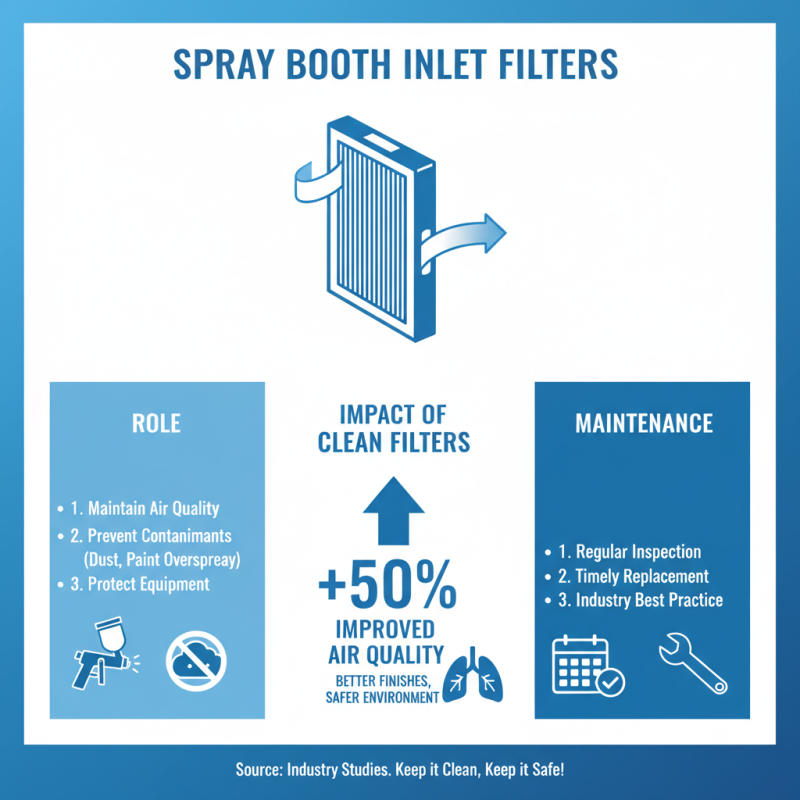
Inlet filters play a crucial role in maintaining air quality in spray booths. Over time, these filters accumulate dust, paint overspray, and other contaminants. A clean inlet filter can prevent these particles from entering the spray environment. According to industry studies, a well-maintained filter can improve air quality by over 50%. However, many facilities overlook the importance of regular maintenance.
Routine checks are essential. Inlet filters should be inspected and replaced every month, depending on usage. Neglecting this can lead to clogged filters, causing decreased airflow. Reduced airflow impacts spray quality. Studies show that a 20% decrease in airflow can result in up to 15% more defects in finishes. Also, it's important to monitor the pressure differential across the filter. A significant increase indicates that it's time for a replacement.
Environmental factors also contribute to filter performance. Dusty environments can shorten filter life, demanding more frequent checks. Moreover, inadequate placement or installation affects performance. Filters must fit properly to avoid bypassing contaminants. Regular training on maintenance practices can make a difference, ensuring staff are aware of best practices. Continuous evaluation and planning can lead to noticeable improvements in air quality.
Impact of Inlet Filters on Air Quality and Worker Safety in Spray Booths
In spray booths, inlet filters play a critical role in maintaining air quality. These filters trap airborne particles and contaminants. Without effective filters, harmful fumes can accumulate. This situation compromises both air quality and worker safety.
When filters become clogged, airflow decreases. Workers may breathe in toxic substances, leading to health risks. Regular maintenance and replacement of these filters are essential. It’s easy to overlook this task, but the consequences can be severe. Dust particles and chemicals can linger longer than expected.
Optimal air quality requires diligence and awareness. Many workplaces underestimate the impact of inlet filters. Employers must prioritize filter efficiency. Investing time in this area can significantly enhance worker health. The goal is to create a safe environment. A little attention today leads to a healthier workplace tomorrow.
Impact of Inlet Filters on Air Quality and Worker Safety in Spray Booths
This bar chart illustrates the significant reduction in particulate matter (PM2.5) concentration when inlet filters are utilized in spray booths. The data shows that without filters, the PM2.5 levels are quite high, posing risks to air quality and worker safety. By implementing quality inlet filters, the airborne particulate matter can be reduced significantly, enhancing workplace safety.