Best Paint Booth Fiberglass Filter for Optimal Air Quality?
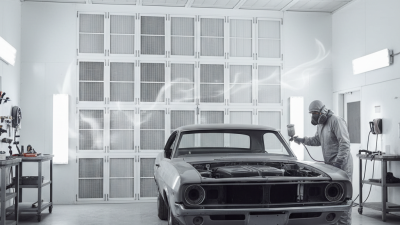
In the realm of painting, air quality is paramount. The right tools significantly enhance the end result. Among these tools, the Paint Booth Fiberglass Filter plays a critical role. This filter effectively captures particles, ensuring a clean atmosphere within paint booths.
To achieve optimal air quality, understanding the types of filters available is essential. The Paint Booth Fiberglass Filter stands out for its efficiency. However, many users overlook the importance of regular maintenance. Dust and debris build up over time, affecting performance. It's easy to forget that a simple change can make a big difference.
Investing in high-quality filters is just the beginning. Users must also evaluate their specific needs and environment. The best filter for one shop may not suit another. Reflecting on air quality solutions is vital for achieving the finest paint job. Ultimately, the choice of the right Paint Booth Fiberglass Filter can elevate your work and enhance safety.
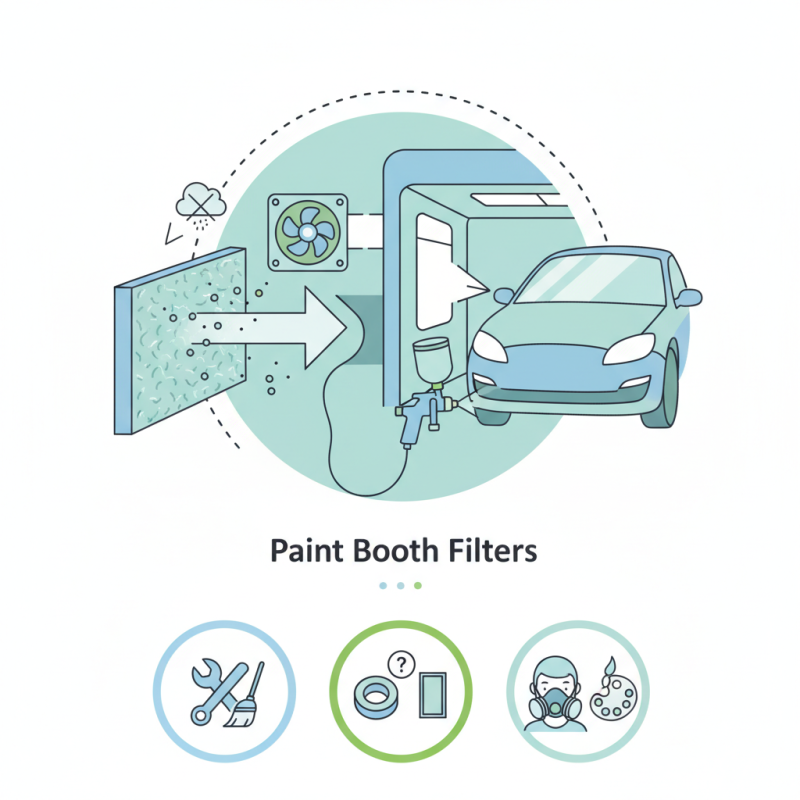
Understanding Paint Booth Filters and Their Importance
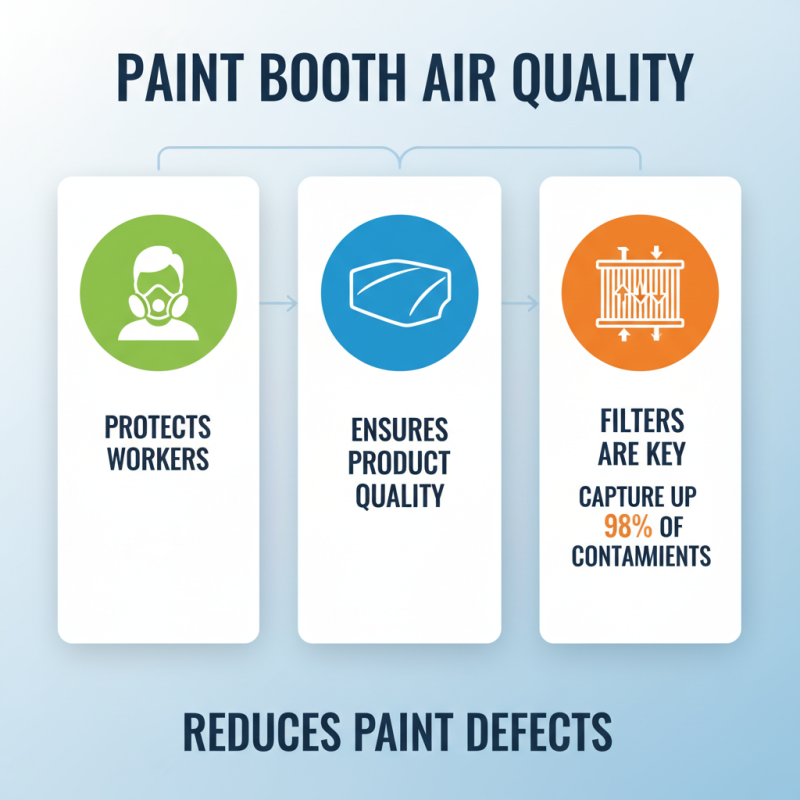
In a paint booth, air quality is crucial. It protects workers and ensures product quality. Filters play a vital role in maintaining this air quality. According to industry reports, up to 98% of airborne contaminants can be captured with the right filters. This significantly reduces the risk of defects in painted surfaces.
Fiberglass filters are commonly used in paint booths due to their efficiency. They can trap fine particles, including dust and overspray. A clean booth enhances the final product's appearance. Yet, many operators overlook the importance of regular filter replacement. Dirty filters can lead to poor airflow and increased contamination.
**Tip:** Check filters weekly. A simple visual inspection can reveal when they need replacing.
Ensure that filters fit properly. Gaps can allow contaminants to bypass the filter. This defeats the purpose of using a filter at all.
**Tip:** Keep a maintenance log. Documenting filter changes can improve overall efficiency. This practice helps prevent costly mistakes. Quality starts with clean air.
Types of Fiberglass Filters Used in Paint Booths
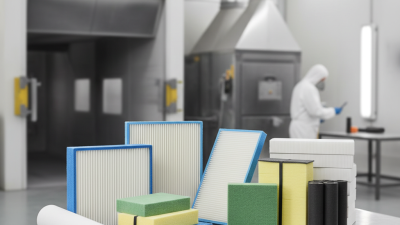
In paint booths, maintaining optimal air quality is crucial. One key component is the fiberglass filter. These filters come in various types, each serving a specific purpose. Some are designed for pre-filtration, capturing larger particles before they reach the main filter. Others focus on finer airborne contaminants, ensuring cleaner air during the painting process.
Fiberglass filters can be categorized based on their efficiency ratings. High-efficiency particulate air (HEPA) filters are popular for trapping small particles. According to industry reports, these filters can capture up to 99.97% of particles measuring 0.3 microns. However, not all fiberglass filters are created equal. Some may allow more contaminants to pass through, impacting air quality. Selecting the right filter type is vital.
Tips: Regularly inspect filters for signs of wear. This can prevent contamination issues. Pay attention to the airflow. An obstructed filter can hinder performance. Keeping a maintenance log can also provide insights into filter lifespan and effectiveness.
In addition, consider the environmental impact. Many fiberglass filters are disposable. This raises concerns about landfill waste. Recycling options may be available, but they are not always well-known. Awareness and education on filter disposal are needed. There’s room for improvement in choosing sustainable alternatives.
Criteria for Selecting the Best Fiberglass Filter
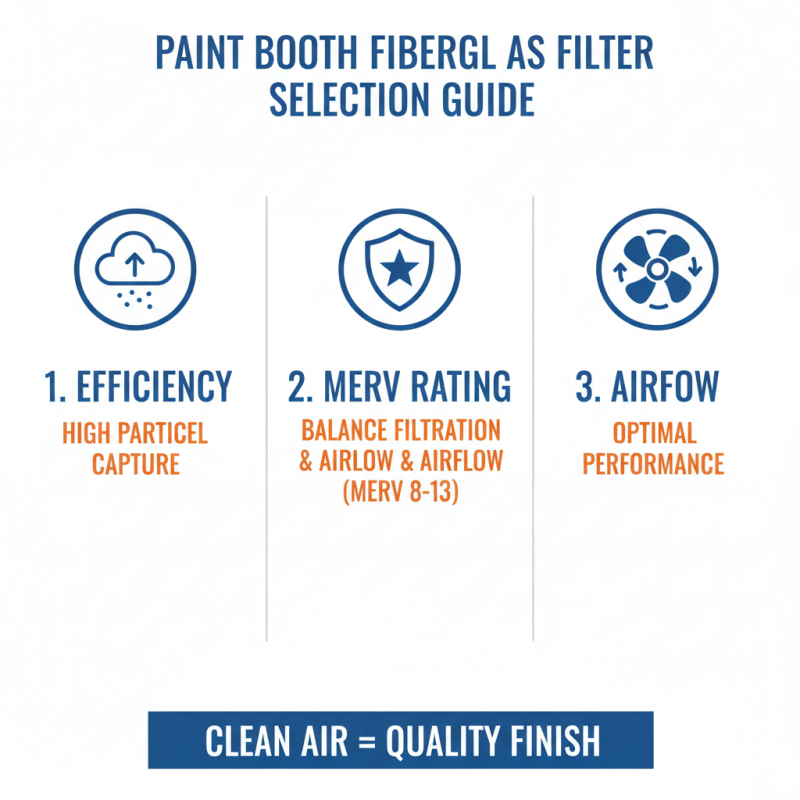
When selecting a fiberglass filter for a paint booth, consider several key criteria. The filter’s efficiency is crucial. Look for filters with high particle capture rates. This ensures minimal airborne contaminants. A higher MERV rating usually signifies better performance. However, too high a rating can limit airflow. Balance filtration and airflow to maintain optimal performance.
Next, consider the filter's size. A proper fit ensures that air flows evenly throughout the booth. Improper sizing can result in bypass, reducing the filter's effectiveness. Regular maintenance is also vital. Check and replace filters routinely based on usage. Neglecting maintenance can lead to decreased air quality and increased operational risks.
Moreover, think about the material used. Fiberglass is common, but more sustainable options may be available. Some filters are designed for specific environments. Think critically about your unique situation. Remember, not all filters fit all needs. Evaluate your paint booth’s specific requirements carefully. This reflection can prevent costly mistakes.
Impact of Filter Quality on Air Quality in Paint Booths
In paint booths, maintaining optimal air quality is crucial. The type of fiberglass filter you choose plays a significant role. A high-quality filter can trap harmful particulates and chemical vapors, ensuring cleaner air. However, not all filters perform equally. Some may let smaller particles slip through, reducing effectiveness.
Regular maintenance is vital to sustain air quality. A filter that isn't changed often enough can become a source of contamination. It can release trapped toxins back into the air. Users sometimes overlook the importance of monitoring filter conditions. They may assume all filters work well, but that's not always the case. Performance can degrade over time, leaving workers exposed to fumes and particles.
Investing in a superior fiberglass filter makes a difference. But, it's an ongoing process. Awareness of filter lifespan and proper installation are essential. Many find it challenging to distinguish between various options available today. Regular inspections can help identify whether the chosen filter is meeting performance expectations. Understanding the impact of filter quality can lead to a safer working environment.
Impact of Filter Quality on Air Quality in Paint Booths
Maintenance Tips for Optimal Performance of Filters
Maintaining fiberglass filters in a paint booth is essential for effective air quality. Regular checks can prevent dust buildup, ensuring clean air. Inspect filters weekly for dirt and debris. Replace them if they're clogged. Even minor blockages can affect performance.
Cleaning filters requires care. Gently vacuum or use compressed air. Avoid water, as it can damage the fiberglass. Sometimes, old filters may seem fine but still function poorly. This can lead to worse air quality. Don't ignore these signs. Always focus on visible dirt. Check the filter edges for tears and wear. A little attention goes a long way.
Filters often get overlooked during routine maintenance. This can cause issues down the line. Keep a maintenance log to track changes and improvements. Document every replacement and cleaning session. Use this information to guide future maintenance. Small habits create a significant impact on air filtration and overall performance.
Best Paint Booth Fiberglass Filter for Optimal Air Quality? - Maintenance Tips for Optimal Performance of Filters
| Filter Type |
Efficiency Rating |
Recommended Airflow (CFM) |
Lifespan (Months) |
Maintenance Tips |
| Fiberglass Panel Filter |
MERV 8 |
1000 |
3 |
Check frequently, replace when discolored |
| Fiberglass Roll Filter |
MERV 10 |
1500 |
6 |
Replace based on usage, clean with low pressure air |
| High-Efficiency Filter |
MERV 13 |
1200 |
12 |
Inspect every month, replace when needed |