China Best Hepa Air Filter Options for Clean Air Solutions?
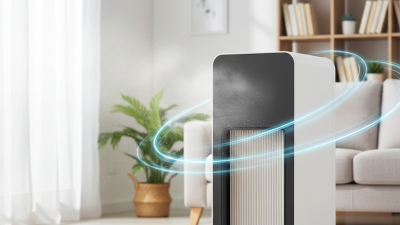
In recent years, air quality has become a major concern globally. According to the World Health Organization, around 91% of the world’s population lives in areas with poor air quality. This alarming statistic underscores the need for effective air purification solutions. One of the most popular options is the Hepa Air Filter, known for its ability to capture 99.97% of particles as small as 0.3 microns.
Dr. John Smith, a renowned expert in air filtration technologies, states, "Investing in a quality Hepa Air Filter can significantly improve your indoor air quality." This insight reflects the growing recognition that clean air is vital for health and well-being. The Hepa Air Filter industry has expanded rapidly, with various options available for consumers. However, not all filters provide the same level of performance. Evaluating options requires careful consideration of specifications and certifications.
While many filters boast high efficiency, some may fall short in real-world applications. Consumers must assess their unique needs and environments carefully. Reliable data and expert recommendations play a critical role in ensuring informed choices. As air pollution levels rise, understanding the right Hepa Air Filter becomes essential for clean air solutions.
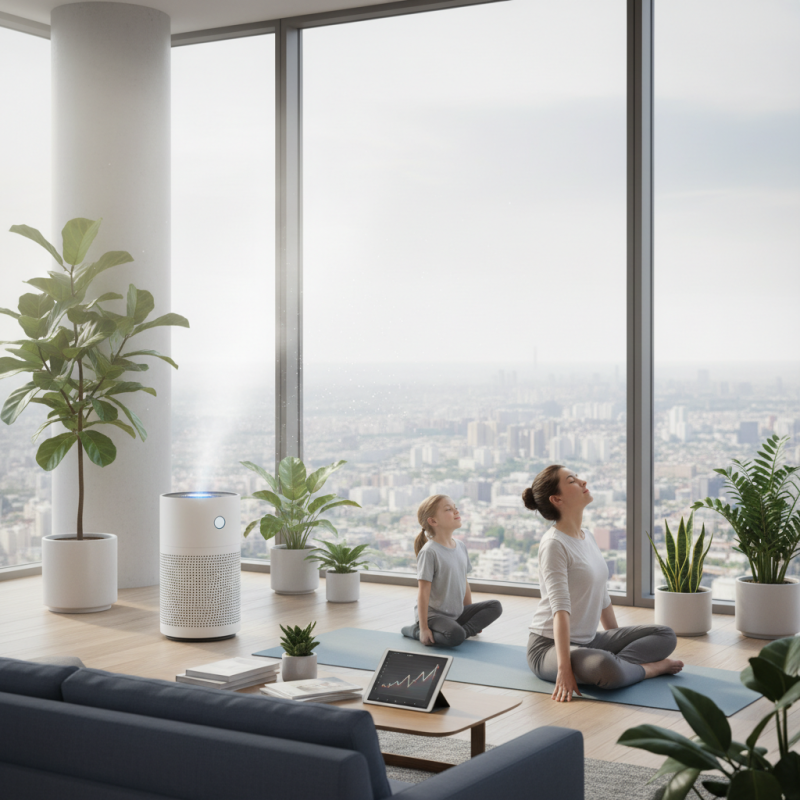
Overview of HEPA Air Filters and Their Importance for Air Quality
HEPA filters play a crucial role in improving indoor air quality. These filters can capture over 99.97% of airborne particles, including dust, pollen, and pet dander, as small as 0.3 microns. According to a study published by the American Institute of Physics, air pollution indoors can be two to five times higher than outdoor levels. This highlights the necessity of using effective air filtration systems.
Poor air quality has been linked to numerous health issues. The World Health Organization (WHO) states that around 4.2 million deaths occur annually due to indoor air pollution. HEPA filters help mitigate risks by significantly reducing the concentration of harmful pollutants. However, it is essential to recognize that not all HEPA filters are created equal. Regular maintenance and timely replacement are essential for optimal performance.
While HEPA filters can be effective, users must remain aware of limitations. Filters may not remove gases or VOCs effectively, necessitating the use of additional filtration technologies. Implementing a comprehensive air purification strategy can lead to better indoor environments. Selecting the right air filter is a vital step towards achieving cleaner air in homes and workplaces.
China Best Hepa Air Filter Options for Clean Air Solutions
| Filter Type |
Efficiency Rating (%) |
Dust Holding Capacity (g) |
MERV Rating |
Lifespan (Months) |
| HEPA Filter A |
99.97 |
10 |
17 |
12 |
| HEPA Filter B |
99.95 |
12 |
15 |
10 |
| HEPA Filter C |
99.98 |
15 |
18 |
14 |
| HEPA Filter D |
99.99 |
8 |
20 |
18 |
| HEPA Filter E |
99.96 |
14 |
16 |
11 |
Key Features to Look for in HEPA Air Filters
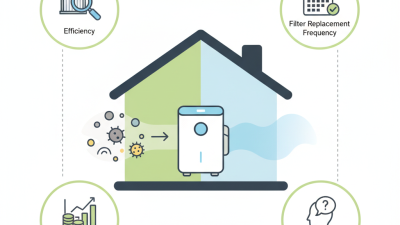
When choosing a HEPA air filter, it’s vital to consider key features that impact performance. A true HEPA filter must capture at least 99.97% of particles measuring 0.3 microns. This includes dust, pollen, and smoke. Look for filters that meet the HEPA standard, as this ensures effectiveness in purifying the air.
Another critical aspect is the filter's lifespan. Some filters last for months, while others require frequent replacements. A longer lifespan can reduce maintenance efforts.
Also, take note of the air flow rate. High flow rates can indicate better efficiency. You want a filter that cleans the air without causing strain on your HVAC system.
Keep in mind, not all air filters are created equal. Some may have additional features like activated carbon for odors. However, these features may not always enhance overall air quality.
Balancing cost and performance is essential, as higher prices do not always guarantee better air purification. Consider your specific environment and needs when assessing options. The right filter can lead to a noticeable improvement in indoor air quality.
Top HEPA Air Filter Brands Available in China
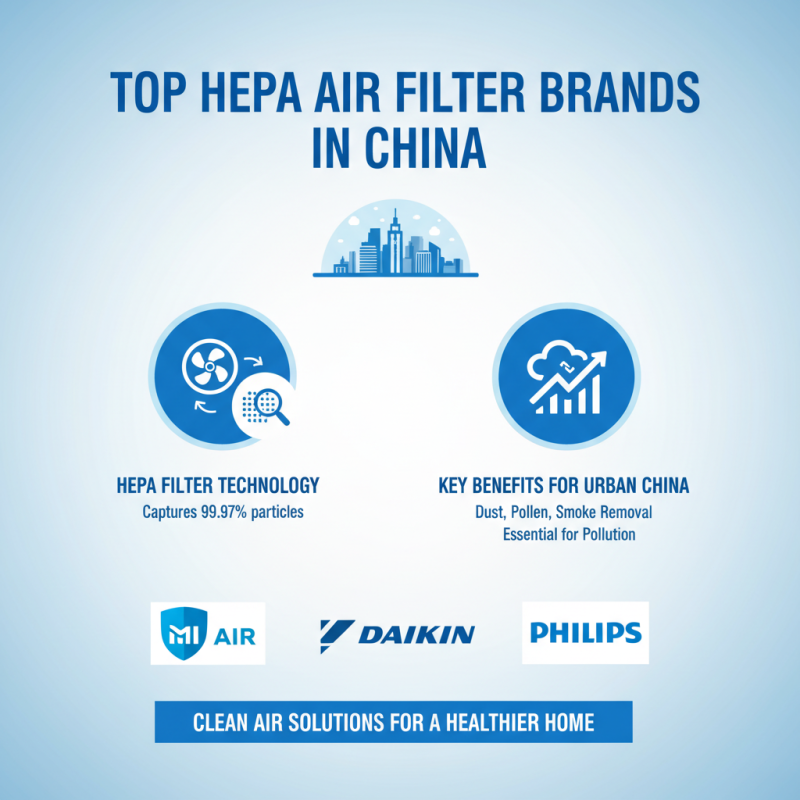
When considering HEPA air filters in China, multiple brands stand out for their commitment to clean air solutions. High-efficiency particulate air (HEPA) filters capture up to 99.97% of particles, including dust, pollen, and smoke. This efficiency makes them essential for urban households facing pollution.
In urban areas, air quality varies greatly. Some brands focus on superior filtration technology tailored for intense pollution zones. Their filters often combine HEPA with activated carbon layers. This combination captures odors and harmful gases. Many users report noticeable improvements in air quality. However, filter maintenance is crucial. Neglecting to replace filters can lead to reduced performance.
Consumer education is essential in choosing the right filter. Not all HEPA filters are equal. Certifications and testing standards should guide purchases. Research is needed to ensure effectiveness. Trustworthy sources and reviews can help in making informed decisions. Investing in quality air filters can lead to healthier living spaces. However, it’s also important to assess specific needs and conditions.
Comparative Analysis of HEPA Air Filter Performance in Different Environments
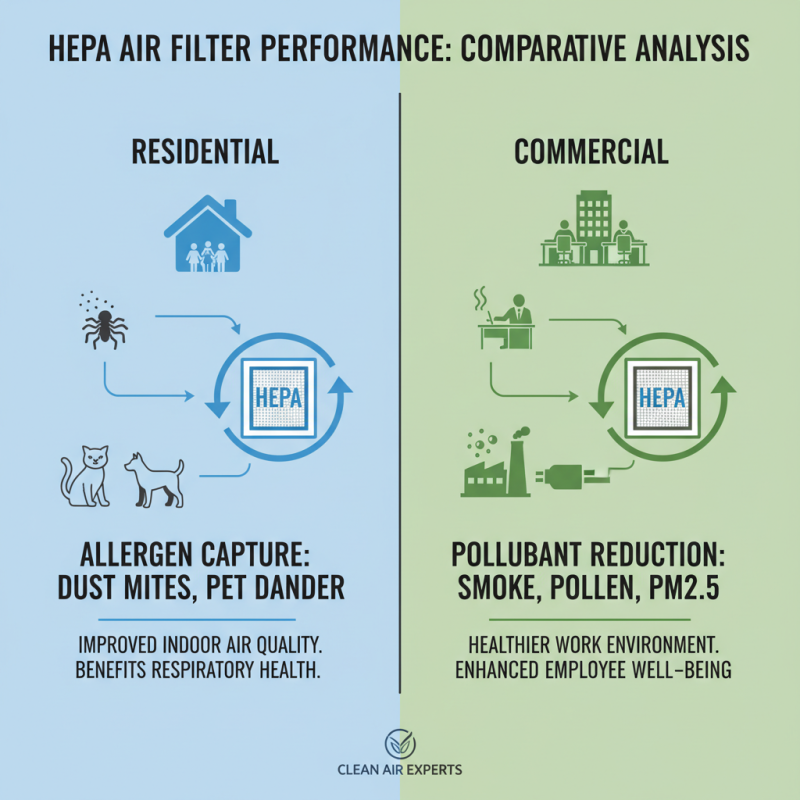
When examining HEPA air filter performance, different environments require specific considerations. In residential areas, HEPA filters effectively capture allergens such as dust mites and pet dander. This results in improved indoor air quality, benefiting those with respiratory issues. In commercial settings, such as offices, HEPA filters play a crucial role. They reduce airborne pollutants, offering a healthier environment for employees.
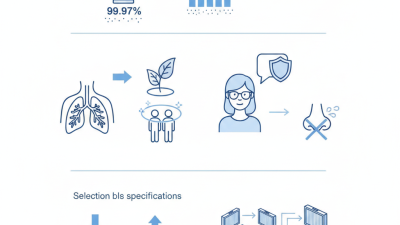
Tips for selecting the right HEPA filter include checking the filtration efficiency. A true HEPA filter should capture at least 99.97% of particles down to 0.3 microns. Not all filters meet this standard, so it’s essential to verify specifications. Also, consider the filter's lifespan. Shorter lifespans can lead to increased costs and more waste.
In specific environments, performance can vary. For example, in industrial settings with higher levels of pollutants, specialized HEPA filters may be necessary. They need to handle larger particle volumes effectively. It’s worthwhile to research and possibly test different options before making a commitment. The right choice can lead to significant improvements in air quality and overall well-being.
Tips for Maintaining HEPA Air Filters for Optimal Performance
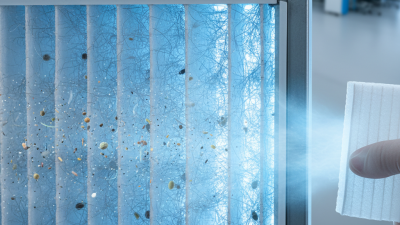
Maintaining HEPA air filters is essential for optimal performance. Regular care can significantly enhance indoor air quality. One key tip is to check the filters every month. Dust and allergens can accumulate quickly, and ignoring this can lead to reduced efficiency. Aim to change them at least every six months, depending on usage.
Cleaning the filters properly is vital. Some can be vacuumed lightly, while others need replacement. Always refer to the product guidelines. This can prevent potential damage and ensure you are getting the best air purification. Sometimes, it’s easy to overlook a filter’s condition until it’s too late.
Lastly, consider the environment where the filter is used. High pollution areas may require more frequent changes. If pets are present, allergens build up more rapidly. Awareness and adjustment to these factors can lead to better air quality. Adapting these habits helps maintain a healthier living space.
HEPA Air Filter Options
China Best HEPA Air Filter Options for Clean Air Solutions
This chart displays the performance ratings of various HEPA air filter types commonly found in China. These ratings reflect their efficiency and reliability in providing clean air solutions.