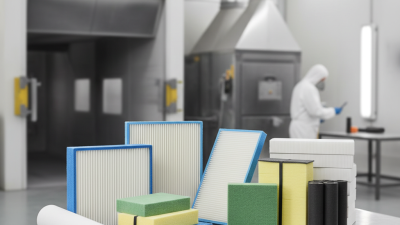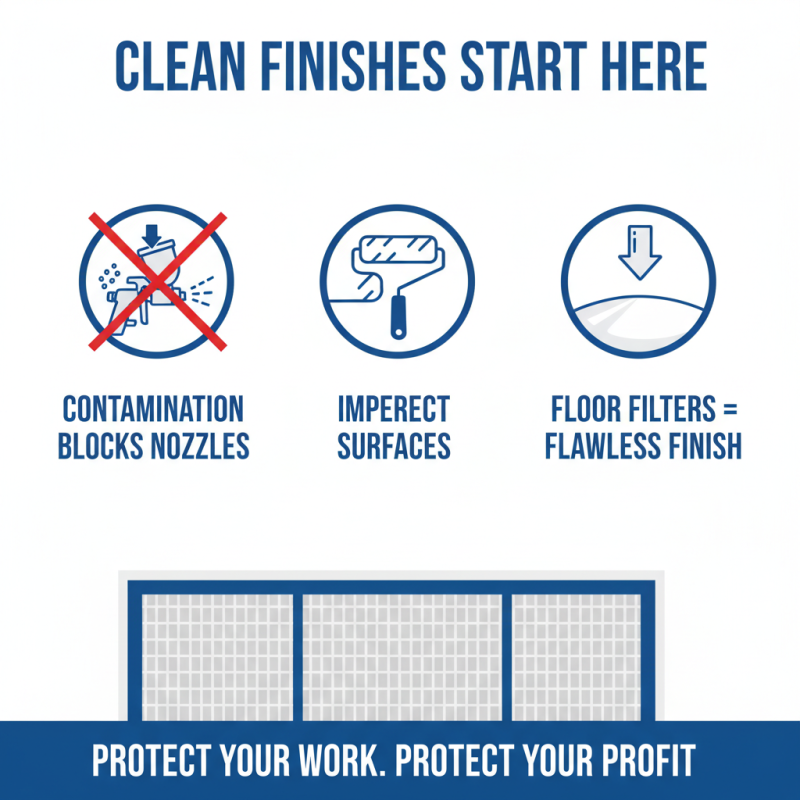
In the world of automotive refinishing, the role of a Spray Booth Floor Filter cannot be overstated. It ensures cleanliness and enhances air quality. Leading expert, John Smith, once remarked, "A clean booth floor is fundamental for a flawless finish." This statement captures the essence of why these filters are essential.
Using Spray Booth Floor Filters brings various advantages to workshops. They trap overspray and debris, which helps maintain a tidy workspace. This minimizes the risk of contamination and improves the overall quality of finished products. A dirty floor can compromise paint adhesion and finish quality. Regularly replacing these filters also promotes a healthier environment for workers.
However, many workshop owners overlook the significance of these filters. Investing in a Spray Booth Floor Filter might seem unnecessary at first. Yet, the long-term benefits often outweigh initial costs. Rethinking your approach to cleanliness in the spray booth could lead to unexpected improvements in efficiency and output.
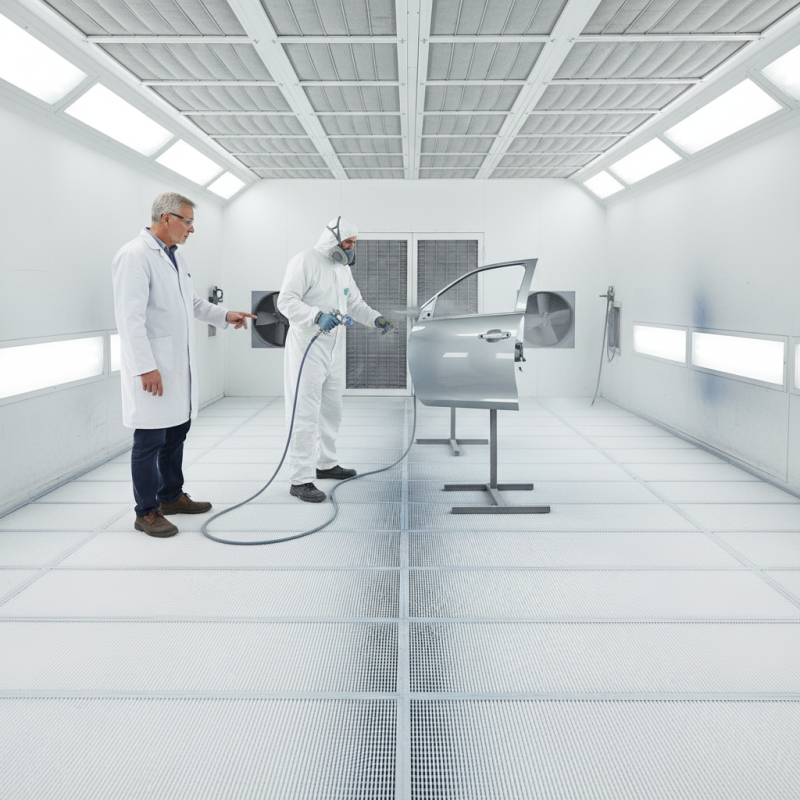
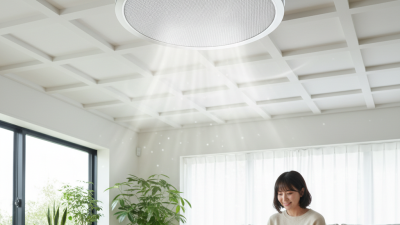
In any workshop, air quality is crucial. Poor air can lead to health issues for workers. Spray booths equipped with floor filters play a significant role in improving this environment. These filters capture harmful particles and fumes that arise during painting and finishing processes. Better air quality reduces the likelihood of respiratory problems. Workers can focus on their tasks without the distraction of sneezing or coughing.
Using floor filters also helps in maintaining surrounding cleanliness. Dust and debris often settle on the workshop floor, creating a hazardous area. With effective filtration, these particles are removed from the air. This means fewer contaminants to clean up later. However, regular maintenance of these filters is often overlooked. Neglecting this aspect can lead to reduced effectiveness. It's essential to schedule regular checks. Filters should be replaced when necessary to ensure optimal air quality.
Benefiting from cleaner air enhances overall productivity. Workers can operate in a more comfortable environment. However, some may resist the change due to the initial installation efforts. Adapting to new systems can take time, and this process shouldn't be rushed. Balancing maintenance with operational efficiency requires thoughtful planning. By addressing these challenges, workshops can create safer, healthier spaces for everyone involved.
| Benefit | Description | Impact on Air Quality | Other Benefits |
|---|---|---|---|
| Improved Filtration | Captures airborne particles effectively. | Enhances overall air purity. | Reduces respiratory issues. |
| Lower Maintenance Costs | Less frequent filter replacements. | Maintains cleaner air longer. | Saves money on maintenance. |
| Enhanced Worker Safety | Reduces exposure to harmful particles. | Improves health outcomes for workers. | Lowers liability risks. |
| Better Paint Quality | Minimizes contaminants in paint. | Results in smoother finishes. | Reduces rework costs. |
| Odor Control | Helps eliminate unpleasant smells. | Enhances overall workplace comfort. | Improves morale and productivity. |
| Temperature Control | Maintains optimal temperature in spray booths. | Promotes better paint adhesion. | Increases efficiency of processes. |
| Regulatory Compliance | Helps meet air quality standards. | Avoids legal penalties. | Enhances company reputation. |
| Reduced Dust Accumulation | Minimizes daily dust settling. | Keeps environment cleaner. | Lower cleaning costs. |
| Improved Visibility | Enhances lighting conditions in work areas. | Supports precision work. | Increases work output. |
| Environmental Sustainability | Promotes greener workshop practices. | Reduces overall environmental impact. | Enhances corporate responsibility image. |
In a workshop, maintaining the quality of paint and finishing materials is crucial. Spray booth floor filters play a significant role in preventing contamination. Dust and debris can easily disrupt the paint application process. When these particles settle in the booth, they can ruin a flawless finish. Using filters can mitigate this issue.
Filters trap contaminants right at the source. This helps keep your workspace cleaner and safer. However, it's essential to remember that filters require regular maintenance. Neglecting to change them can lead to reduced effectiveness. Users sometimes forget this step. Signs of wear may go unnoticed until it's too late.
The benefits of using filters are clear. They help in maintaining a high standard for finish quality. Yet, relying solely on filters is not enough. It's vital to streamline your entire workflow. Regular cleaning and upkeep of the booth are just as important. A holistic approach ensures that paint and finishes remain pristine throughout the process.
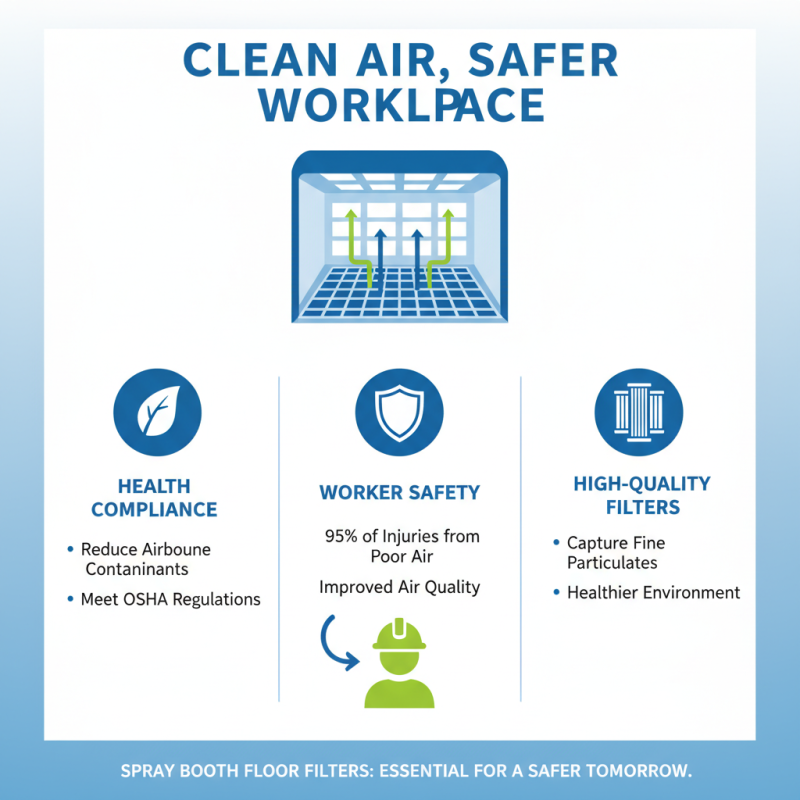
Using spray booth floor filters is crucial for compliance with health regulations. These filters significantly reduce airborne contaminants. According to OSHA, nearly 95% of workplace injuries are linked to poor air quality. Cleaner air directly impacts worker safety. High-quality filters can capture fine particulates, leading to a healthier work environment.
Tip: Regularly check your filters for clogs. A clogged filter can increase airborne particles, negating safety benefits.
Worker fatigue can be exacerbated by contaminated air. Studies show that poor indoor air quality can lead to decreased productivity and higher absenteeism. In fact, the CDC reports that occupational asthma is a serious concern, increasing with exposure to harmful substances. Spray booth floor filters help mitigate these risks.
Tip: Schedule filter changes regularly to ensure optimal performance.
In addition, compliance with local health regulations is imperative. Failing to meet these standards can lead to costly fines. Many workshops overlook the importance of proper ventilation. This negligence can have dire implications for both workers and businesses. Proper use of floor filters enhances compliance and promotes a culture of safety.
In a busy workshop, downtime can be costly. Efficient operations hinge on minimizing interruptions.
Spray booth floor filters play a crucial role in achieving this goal. Reports show that clean air systems can
reduce maintenance costs by up to 30%. Regularly replacing your filters ensures your equipment runs smoothly.
Dust and debris can clog systems, leading to equipment failure. A recent study noted that
40% of workshop equipment failures stem from inadequate filtration. This indicates a need for
better preventive measures. Using high-quality floor filters directly impacts the lifespan of your machinery. They might seem like a small investment,
but they pay off significantly.
Additionally, cleaner air promotes a healthier work environment. Employees breathe easier, leading to improved focus and productivity.
Yet, some workshops still overlook this vital component. Maintenance may seem tedious, but the long-term savings are undeniable.
Workshops can avoid hidden costs by committing to simple filtration solutions. Ultimately, focusing on air quality
yields tangible benefits.
Spray booth floor filters play a crucial role in extending the lifespan of your equipment. When dust and particles accumulate, they can damage tools and machinery. A clean environment reduces wear and tear significantly. Over time, this can save money on repairs and replacements. The investment in floor filters quickly pays off when you consider the costs of equipment failure.
Proper filtration helps maintain air quality in your workshop. Many users forget about this aspect. Contaminants can lead to paint defects and finish problems. This requires reworking projects, costing time and resources. By keeping the air cleaner, the quality of work improves. Workers are also less exposed to harmful particles.
With regular maintenance and effective filters, you can ensure your spray booth runs smoothly. However, neglecting these systems can lead to challenges. It's essential to develop routines that prioritize filter replacement. An imperfect schedule may hamper the effectiveness of the filters over time. Adapting and learning from past maintenance practices will provide better results and longevity for your workshop.